
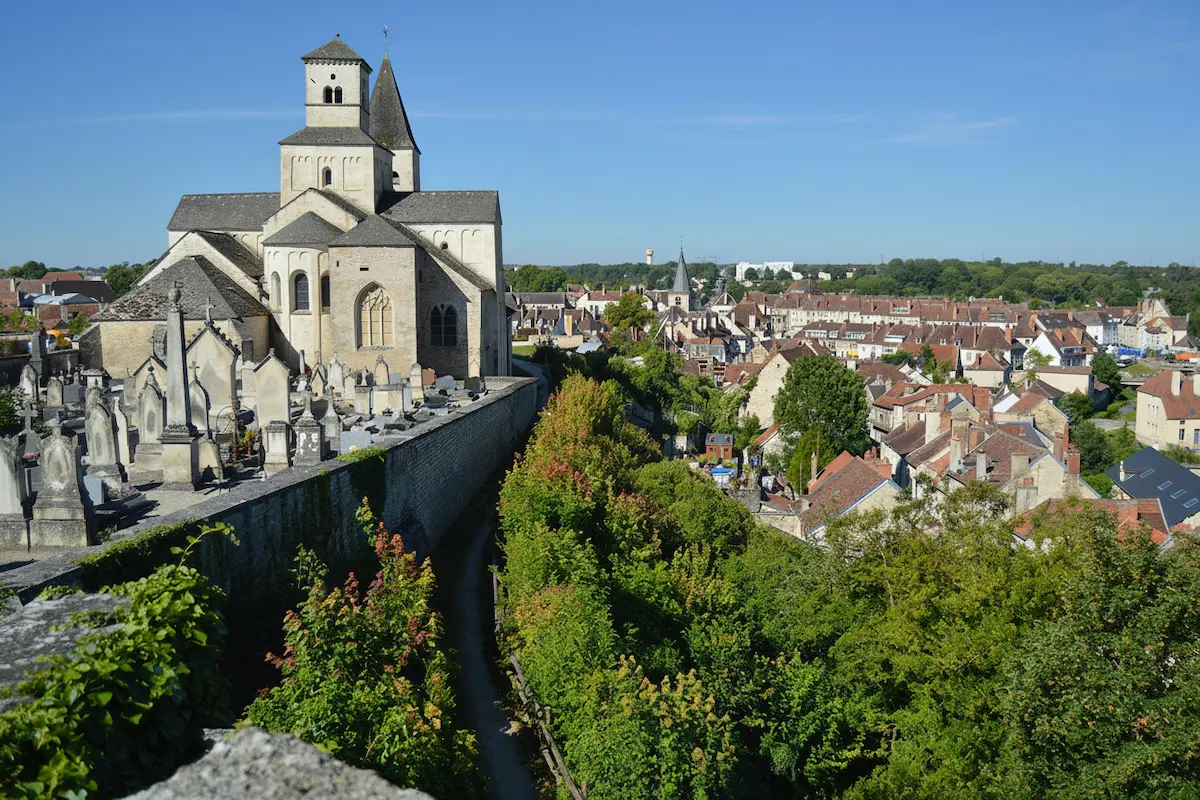


In brief: Beaune, about 22,000 inhabitants at the heart of the Côte d’Or, is the undisputed capital of Burgundy wines. Its medieval centre encircled by ramparts, the Hospices with their glazed-tile roof, and its position as the starting point of the Route des Grands Crus make it an essential stop on any wine tourism trip to Burgundy. Allow two days for the town, three to four to explore the surrounding vineyards.
Halfway between Dijon (40 km north) and Chalon-sur-Saône (30 km south), Beaune occupies a strategic position in the heart of the Côte d’Or. The town is the natural gateway to the Route des Grands Crus, the most prestigious wine route in France, listed as a UNESCO World Heritage site since 2015 under the Climats of Burgundy. It is not the largest commune in Burgundy (it comes after Dijon and Chalon-sur-Saône), but it concentrates the most wine tourism infrastructure: cellars open to the public, tasting schools, historic wine estates and auction venues.
The Hospices de Beaune: a masterpiece of Flamboyant Gothic architecture
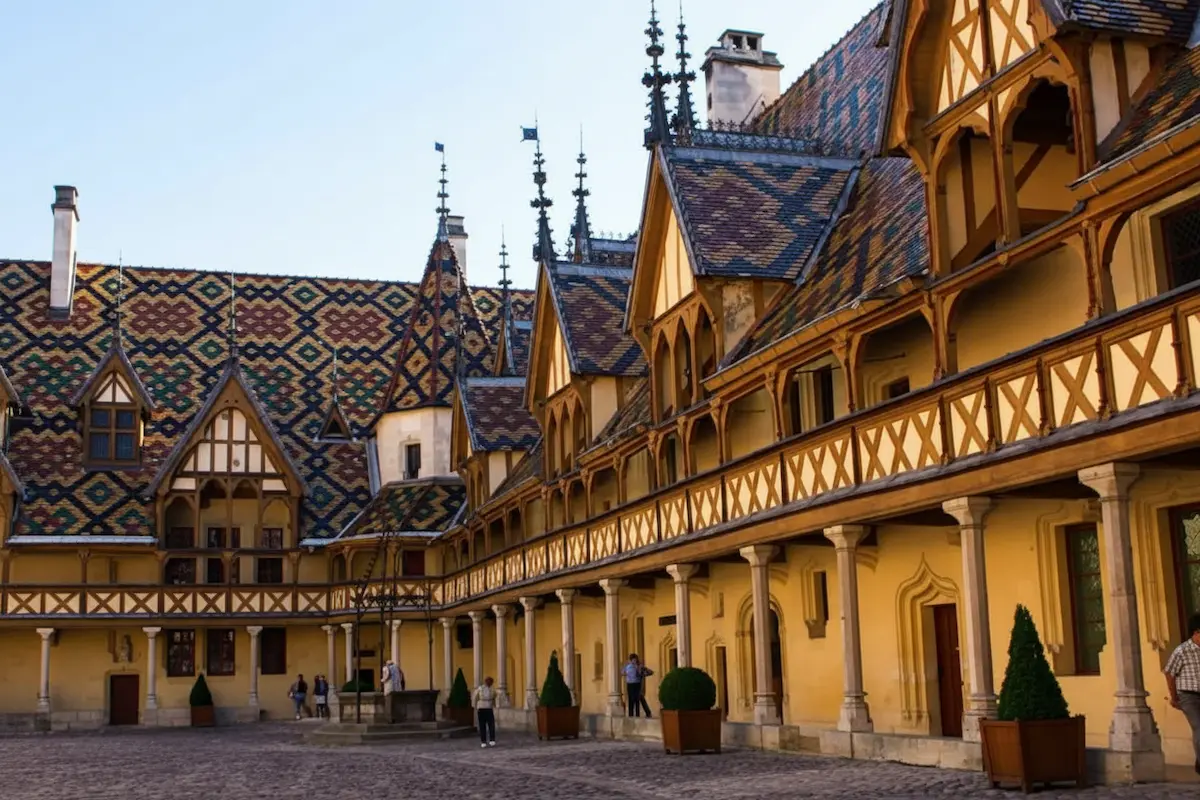
The Hôtel-Dieu of the Hospices de Beaune, founded in 1443 by chancellor Nicolas Rolin, is the most photographed monument in Burgundy. Its polychrome glazed-tile roof and Gothic windows make it a 15th-century masterpiece. It operated as a hospital until 1971 and houses the polyptych of the Last Judgment by Rogier van der Weyden.
A self-guided visit takes about one hour. You will discover the Great Hall of the Poor (50 metres long), the apothecary and the kitchens. It is possible to extend the visit with a wine tasting in the adjoining cellar. A dedicated page details opening hours, prices and tour options: see Hospices de Beaune.
The Hospices wine auction takes place on the third Sunday of November. It is the oldest and most famous wine auction in the world. The 60 hectares of vineyards owned by the Hospices produce some of Burgundy’s most prestigious appellations, including several Grands Crus from the Côte de Beaune.
Historic centre and ramparts: a preserved medieval town
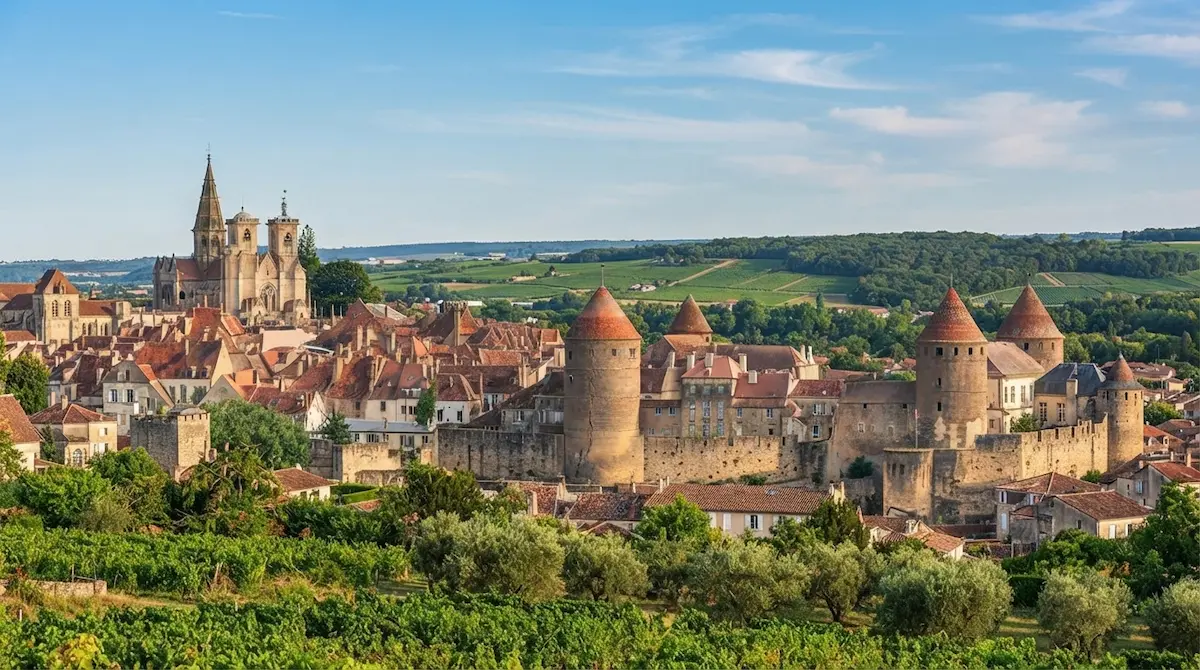
Beaune has preserved three-quarters of its medieval wall, a rare case in France. The ramparts circuit, nearly 2.5 km long, can be walked following 17 marked points of interest. Listed as a Historic Monument since 1929 and 1937, the wall combines elements from the 14th to the 17th century: watchtowers, polygonal bastions and fortified gates.
The ramparts: the longest fortified circuit in the Côte d’Or
Beaune’s fortifications went through three major phases. The first enclosed wall dates from the 13th-14th centuries, with walls 8 metres high and flooded moats. In the second half of the 15th century, the Blondeau, Renard and Bussières towers were added. After the capture of the town by Louis XI in 1478, the king had the Château de Beaune built (1482-1527) to control a population that remained loyal to Mary of Burgundy. Finally, between 1513 and 1524, four great towers 7 metres thick were built: the Grosse Tour, Tour des Dames, Tour des Cordeliers and Tour des Filles.
The gates and bastions
In the 17th century, the Ten Years’ War (1636-1637) added five polygonal bastions: Saint-Nicolas, Saint-Martin, Notre-Dame, Bretonnière and Sainte-Anne. The Treaty of Nijmegen in 1678 made the fortifications obsolete, and the town opened up in the 18th century under mayor Jean-François Maufoux. The promenades laid out on the bastions, notably the rempart des Dames and the rempart de l’Hôtel-Dieu, now offer views over the surrounding vineyards. The Porte Saint-Nicolas (rebuilt in 1770) and the Porte Bretonnière (1779) mark the monumental entrances to the town.
The basilica of Notre-Dame and the old town streets
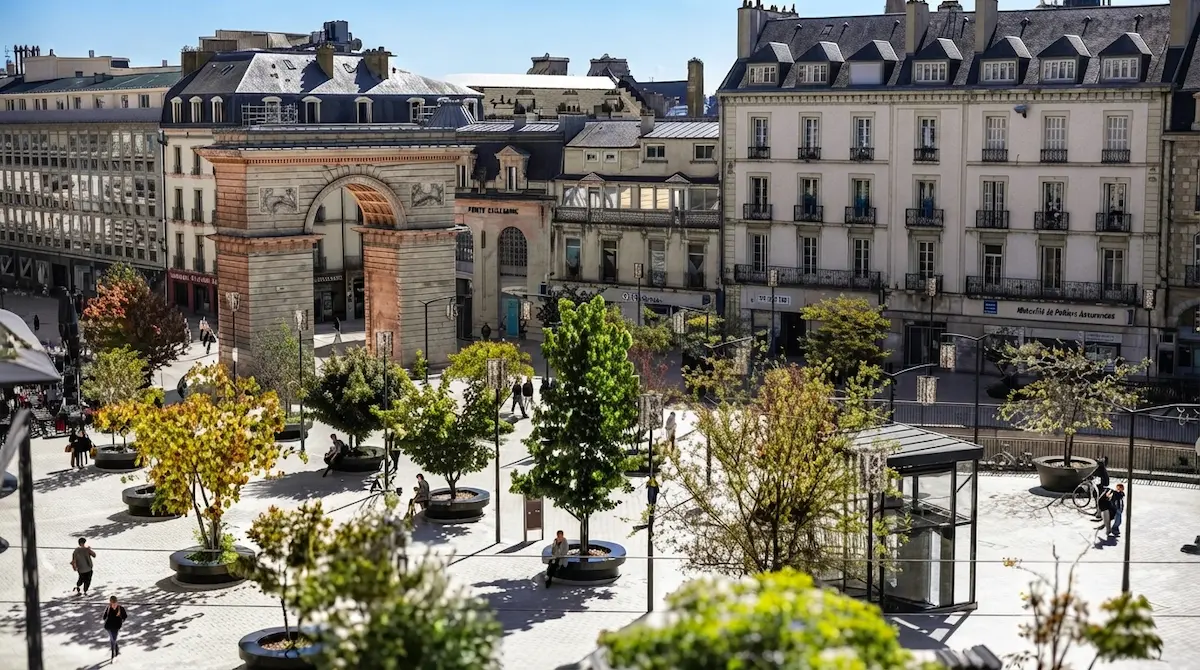
At the heart of the town, the basilica of Notre-Dame de Beaune, a 12th-century Romanesque building, is worth a stop for its 15th-century tapestries depicting the life of the Virgin. The streets of the old centre, around the Place Carnot and the rue de l’Hôtel-Dieu, preserve half-timbered houses and mansions from the 15th-18th centuries. Place Carnot, lined with plane trees and cafe terraces, is the meeting point for the locals.
The Route des Grands Crus from Beaune
Beaune is the ideal starting point for the Route des Grands Crus, the wine route that crosses Burgundy’s most prestigious vineyards from north to south, from Dijon to Santenay, covering about 60 km. The most famous section, the Côte de Beaune, begins a few kilometres south of the town and stretches for about twenty kilometres along the hillside.
Route through the heart of the Côte de Beaune
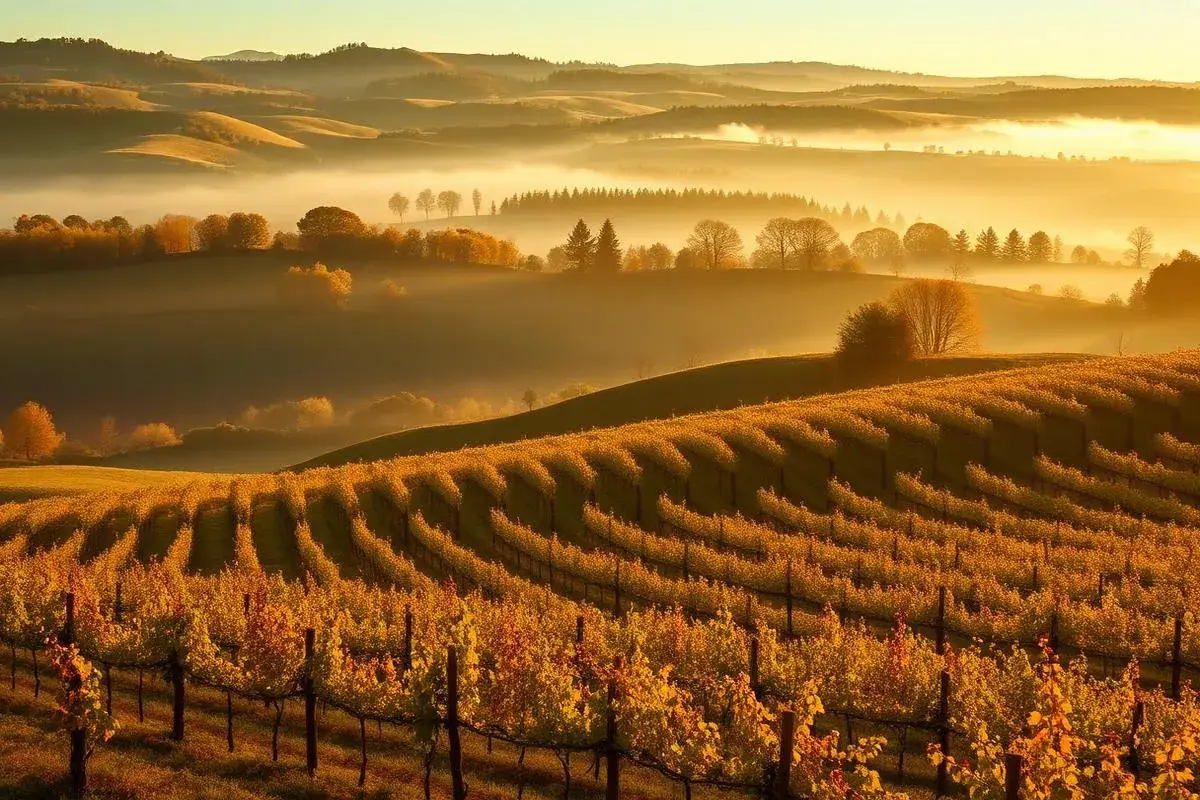
Heading south from Beaune on the D973, you pass through a succession of world-renowned wine villages: Pommard (powerful Premier Crus), Volnay (elegant, fine wines), Meursault (the global reference for chardonnay), Puligny-Montrachet and Chassagne-Montrachet (Grand Cru whites). The Côte de Beaune has 8 Grand Cru appellations on about 6,000 hectares of vines, producing some of the greatest white wines on the planet: Montrachet, Chevalier-Montrachet, Corton-Charlemagne.
North of Beaune, the road goes up towards Aloxe-Corton (Corton and Corton-Charlemagne) and joins the Côte de Nuits, home to the great red Grands Crus (Romanée-Conti, Chambertin, Clos de Vougeot).
The iconic appellations of the Côte de Beaune
Among the eight Grands Crus of the Côte de Beaune, Montrachet (produced in Puligny-Montrachet and Chassagne-Montrachet) is considered the greatest dry white wine in the world. Corton produces both reds and whites on the Corton hill in Aloxe. Corton-Charlemagne takes its name from Emperor Charlemagne, who is said to have owned vineyards on this slope. The whole area has been listed as a UNESCO World Heritage site since 2015 as the Climats of Burgundy, recognising the vineyard plots precisely delineated by Cistercian monks as early as the Middle Ages.
Tastings, cellars and estates in Beaune
Beaune concentrates several dozen cellars open to the public, from the most historic to the most contemporary. It is one of the rare places in Burgundy where you can taste wines from different appellations of the Côte de Beaune and the Côte de Nuits without leaving the town centre.
Historic cellars in the town centre
La Cave d’Élisée (38 boulevard Maréchal Foch) offers three tasting formats: a discovery of 3 wines (30 minutes), the Awakening of the 5 Côtes with 6 wines from Chablis to Mâconnais (1 hour, 25 EUR), and the Secrets of the Climats with 6 wines including one Grand Cru and two Premier Crus. Caveau Nuiton-Beaunoy, in the heart of the town, represents a cooperative of 80 winegrowers from the Côte de Beaune and the Côte de Nuits, with free tastings ranging from regional appellations to Grands Crus.
Caves Patriarche are the largest in Burgundy (over 5 km of galleries) and offer a self-guided tasting of 10 wines. Maison Champy, the oldest wine trading house in Burgundy (founded in 1720), offers 5-wine tastings in its historic cellars. Bouchard Père et Fils, based in the former Château de Beaune, owns 130 hectares of vines including several Grands Crus.
Estates around Beaune
A few kilometres from Beaune, several estates open their doors by appointment: Château de Meursault (world reference for white wines, 3,500 square metres of vaulted cellars), Château de Santenay (fortress with coloured tiles and ancient cellars), and Château de Pommard. Booking is recommended for the most prestigious estates, especially in high season.
Gastronomy and good dining in Beaune
The Saturday market
The Beaune market, held every Saturday morning around the covered market hall and Place de la Halle, is one of the liveliest in Burgundy. You will find regional cheeses (Époisses, Soumaintrain, Chaource), charcuterie (jambon persillé, Burgundy sausage), snails and of course wines from local growers. It is the perfect place to put together a basket of local produce before a trip along the Route des Grands Crus.
Where to eat in Beaune
Place Carnot concentrates several traditional brasseries. Ma Cuisine (passage Sainte-Hélène) is renowned for its boeuf bourguignon and a cellar with thousands of references (closed Saturday and Sunday).
For a Michelin-starred meal, Le Bénaton (25 faubourg Bretonnière) holds one star near the Moutarderie Fallot. Loiseau des Vignes (31 rue Maufoux) rounds out the town’s fine dining offering.
Burgundy specialities to try
You cannot leave Beaune without trying boeuf bourguignon, oeufs en meurette (poached in red wine), jambon persillé, Burgundy snails with parsley butter and Époisses, the most famous of Burgundy’s cheeses. The Moutarderie Fallot (artisan mustard house founded in 1840) offers a tour of its workshops and a tasting of its flavoured mustards.
Practical information
Access by train and car
Beaune station is served by TER regional trains and some TGV services. From Paris, the most efficient route combines a TGV to Dijon (1h35 from Paris Gare de Lyon) then 20-25 minutes by regional train to Beaune. From Lyon, allow 1h40 by car (160 km) or a train journey with a connection. By car, Beaune is accessible via the A6 motorway, Beaune exit.
Parking in the town centre
The town has 13 car parks (including 4 free ones) with over 1,300 spaces. Paid car parks offer the first half-hour free at about 4.50 EUR for 3 hours. On-street parking is organised in three zones: red (1.50 EUR/hour), orange (1 EUR then 0.40 EUR/24 min) and green (10-hour limit). In summer and during the Hospices auction in November, parking is very tight. The Place de la Halle car park and the Hospices car park are the most convenient for the historic centre.
Tourist office
The Beaune and Pays Beaunois tourist office is located at 6 boulevard Perpreuil, 21200 Beaune (phone: +33 3 80 26 21 30, email: contacts@beaune-tourisme.fr). It offers guided tours of the town, organised tastings, bicycle rentals (including electric bikes for the Route des Grands Crus) and booking of tastings at partner cellars. The Beaune, Wine Town brochure is available free of charge on site.
Frequently asked questions
How much time should I spend in Beaune?
What is the best time to visit Beaune?
Can I visit the Hospices de Beaune without a reservation?
Do I need to speak French for wine tastings in Beaune?
Another question?
Write to usSources