


In short: founded in 1946 by Canon Félix Kir, mayor of Dijon, the Fêtes de la Vigne are the city’s great summer rendezvous. For a week in early July (2026 edition: 7–12 July), Dijon’s historic centre comes alive with exhibitions, concerts and street entertainment. The 80th edition, in 2026, marks a symbolic anniversary for a festival born in the immediate post-war years and now a pillar of Dijon life.
The Fêtes de la Vigne resemble no other Burgundian wine festival. It is not a village celebration like the Saint-Vincent Tournante, nor an auction like the Hospices de Beaune. It is an urban, popular, family festival that mixes wine traditions, street entertainment, gastronomy and heritage in a Dijon city centre given over to pedestrians for the occasion.
History of the Fêtes de la Vigne
Creation by Canon Kir
In 1946, Dijon was emerging from the Occupation. The city was intact but marked by the dark years. The new mayor, Félix Kir, Catholic priest, Résistance figure and colourful local character, wanted to bring life back to the town. He imagined a great popular festival combining Burgundian wine tradition, Dijon heritage and a fairground atmosphere open to all, without distinction.
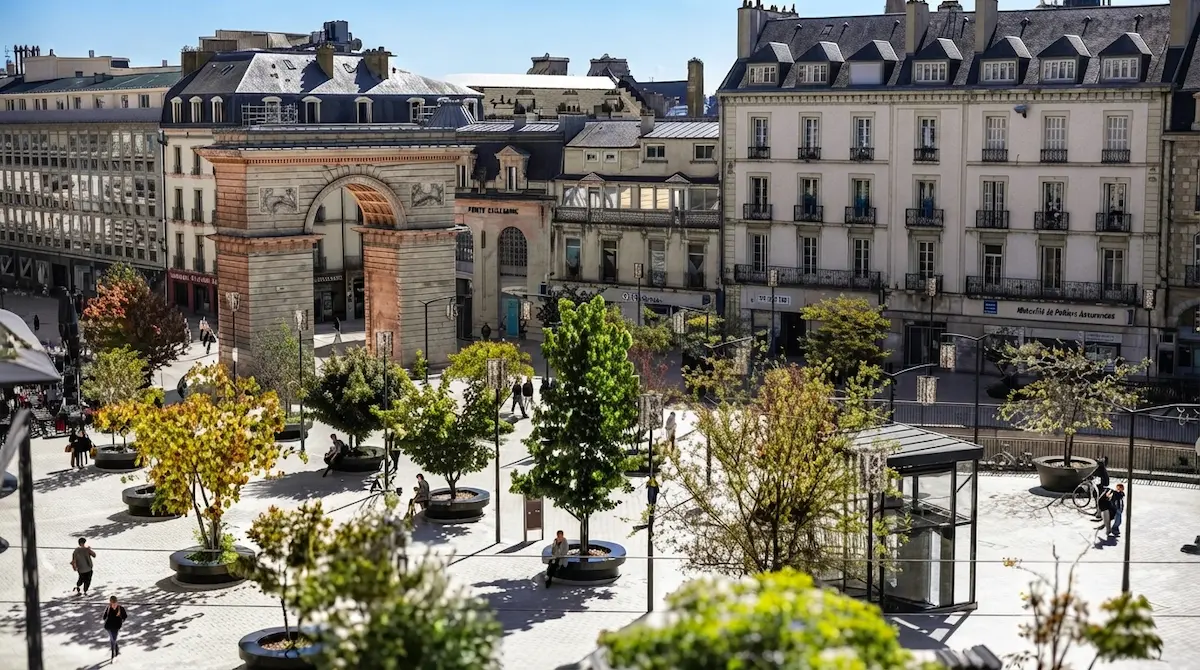
The first edition was held in 1946 on Place de la Libération (then Place d’Armes), with a simple programme: a parade, growers from surrounding villages offering their wines, and musical entertainment. Success was immediate, and the festival became an annual fixture for Dijon residents.
80 years of evolution
Since 1946 the Fêtes de la Vigne have evolved considerably while keeping their original spirit. Sunday’s parade has become a grand procession with flower-decked floats, brass bands from across France and sometimes abroad, folk groups in traditional costume, wine confraternities in formal dress. The wine village on Place de la Libération has grown, with growers from Marsannay, Fixin, Brochon, Couchey, Gevrey-Chambertin and other communes of the Dijon agglomeration.
The Kir Cup, a cardboard-boat regatta on the Canal de Bourgogne, appeared in the 1980s and became one of the festival’s wildest moments. Concert and street-theatre evenings multiplied, turning the city centre into a vast open-air stage.
The 2026 edition is especially symbolic: it is the 80th edition (the festival was interrupted in some years, notably in 2020 for the Covid-19 pandemic, which slightly delays the anniversary count). The city of Dijon plans an exceptional programme to mark the milestone.
The festival programme
The wine village
Beating heart of the Fêtes de la Vigne, the wine village is set up on Place de la Libération or Place Émile Zola, depending on the year. Around twenty growers from the Dijon area hold stands there, offering their wines for tasting and sale: Marsannay red, white and rosé (one of the rare Burgundy appellations to produce all three colours), Fixin, Gevrey-Chambertin, and sometimes more distant appellations. The official tasting glass is sold on site, and bottles can be bought directly from producers. It is a chance to discover Côte de Nuits wines without touring the villages one by one.
Sunday’s grand parade
This is the weekend’s most anticipated moment. On Sunday afternoon, the procession winds through the city-centre streets: floats decorated with flowers and vine leaves, wine confraternities in colourful costume, brass bands and municipal ensembles, traditional dance groups, vintage cars, decorated tractors. The parade usually starts from the Jardin de l’Arquebuse or the Cours du Parc, crosses Place de la Libération and climbs Rue de la Liberté to Place Darcy.
Dijon residents pack the pavements, often as families, with children on parents’ shoulders. The mood is joyful and good-natured, paced by brass-band tunes and confetti.
Street entertainment and concerts
Throughout the festival, Dijon city centre is animated by an eclectic programme: French chanson concerts, roaming brass bands, street theatre, children’s street shows, art workshops, giant wooden games. The inner courtyards of Dijon townhouses are sometimes opened for more intimate events.
The musical highlight of the 2026 edition is the free concert on Saturday 11 July at 6.30 pm in the honour courtyard of the Palais des Ducs, with the Société Philharmonique de Dijon and guest ensembles from Serbia and Uruguay: accessible to people with reduced mobility, it closes the anniversary week in an exceptional setting.
The Kir Cup: cardboard-boat regatta
One of the most original Fêtes de la Vigne entertainments is the Kir Cup, a cardboard-boat regatta on the Canal de Bourgogne. Teams of participants (companies, associations, groups of friends) build craft solely from cardboard and sticky tape, decorate them, then race on the canal by Place Darcy or the Jardin des Sciences. Part of the crew paddles, the other bails. The spectacle is guaranteed, sinkings almost systematic, and the crowd on the banks cheers the competitors in a high-spirited atmosphere.
Tastings and gastronomy
Beyond the wine village, the Fêtes de la Vigne are also a major gastronomic rendezvous. Local producers (cheeses, charcuterie, pain d’épices, nonnettes, mustard, snails) hold stands in the pedestrian streets, and Dijon restaurants offer special menus for the occasion.
Several growers’ dinners are organised in townhouse courtyards or in the cellars of Dijon négociant houses. These meals, hosted by growers presenting their wines, are highly sought after and need advance booking.
A tasting trail through city-centre wine bars and merchants is also organised, with passes letting you taste selections of Burgundy wines in several partner venues.
The surroundings during the festival
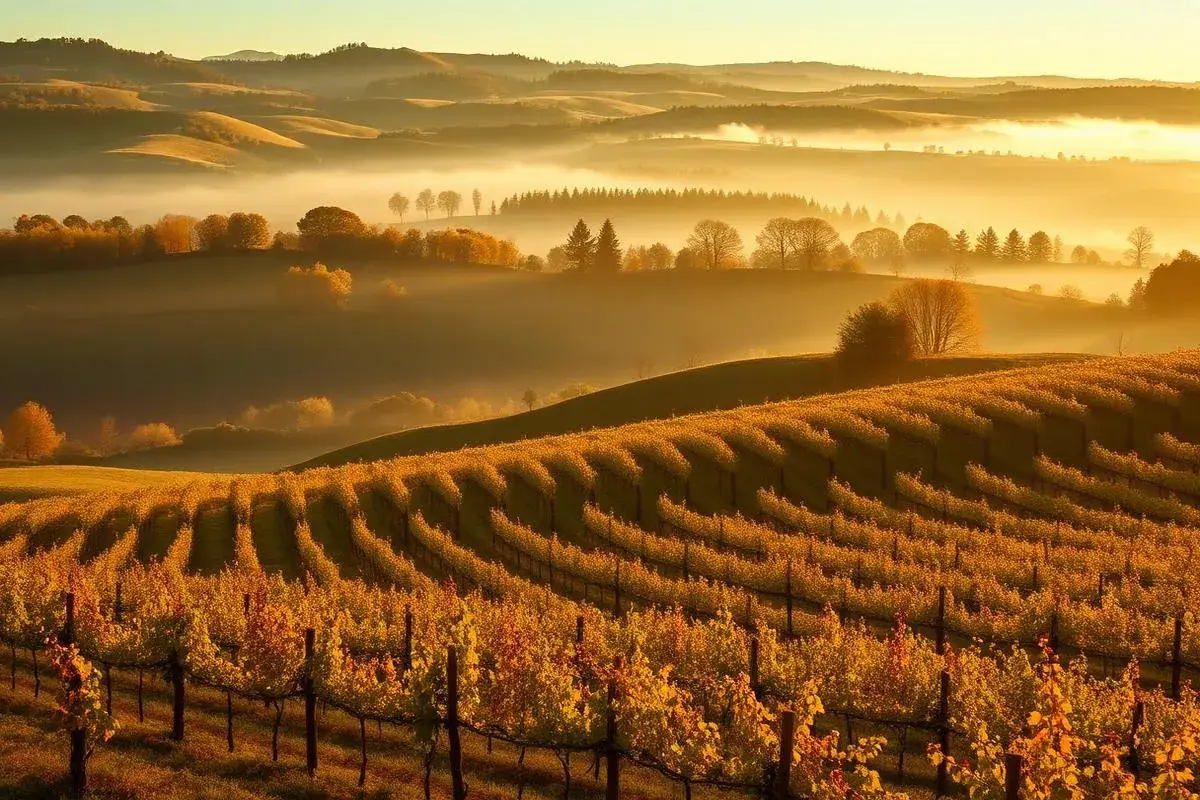
The Fêtes de la Vigne are also a chance to discover the Dijon vineyards. The Marsannay appellation, the only one on the Côte de Nuits to produce red, white and rosé, lies a few kilometres from the city centre. The villages of Fixin, Brochon, Couchey and Gevrey-Chambertin are reachable by bike from Dijon on the greenway, and some domaines open their doors during the festival for visits and tastings.
For those who want to extend the stay, the Parcours de la Chouette in the historic centre, the Cité internationale de la gastronomie et du vin and the Halles de Dijon (covered market) are must-dos for the weekend.
Practical tips
When to come
The Fêtes de la Vigne take place in early July: the 2026 edition runs from 7 to 12 July. Saturday 11 July concentrates the edition’s highlights (conference, Palais des Ducs concert). The Municipal Archives exhibition can be visited until 30 October.
Lodging
Dijon has substantial hotel capacity, but the Fêtes de la Vigne draw a large public. Book your lodging at least a month ahead to have a choice. City-centre hotels (near Place de la Libération) are the most convenient, but more outlying establishments (near the hospital, the station, or on the outskirts) are well served by tram.
Transport
The city centre is closed to traffic for the duration of the festival. Tram park-and-ride car parks (Doubs, Grésilles, CHU) offer free spaces with an immediate link to the centre. Dijon station is a 15-minute walk from Place de la Libération, making the festival easy to reach by train for visitors from Beaune, Paris, Lyon or Besançon.
Budget
Festival entry and most entertainments are free. The exhibition and the concert are free. Some activities (conference, guided tours) require prior registration. Details are published on fetesdelavigne.org. Bring cash: not all stands take cards.
Frequently asked questions
Are the Fêtes de la Vigne free?
Which day should you go to the Fêtes de la Vigne?
Can you taste wine during the Fêtes de la Vigne?
Are the Fêtes de la Vigne suitable for children?
Another question?
Write to usSources
- Ville de Dijon - Les Fêtes de la Vigne turn 80
- Côte-d'Or Tourisme - Fêtes de la Vigne de Dijon
- Dijon Métropole Tourisme - Fêtes de la Vigne
- Le Bien Public - Fêtes de la Vigne de Dijon
- France Bleu Bourgogne - Fêtes de la Vigne in Dijon
- Infos Dijon - Fêtes de la Vigne 2026
- JDS.fr - Fêtes de la Vigne de Dijon