


In short: Côte-d’Or is a safe département, with a crime rate below the national average. The main risks for visitors are smash-and-grab thefts in vineyard car parks, violent summer storms, and loss of mobile signal in rural areas. In an emergency, dial 112 (mobile) or 15 (SAMU).
Côte-d’Or does not pose any particular danger for tourists. It is a temperate rural and urban destination, where the only concrete risks are those found everywhere in France: occasional thefts in busy areas, weather hazards, and hiking accidents. This guide gives you the reference points for a worry-free stay, without paranoia or carelessness.
Safety in tourist areas
Dijon city centre
Dijon city centre, details
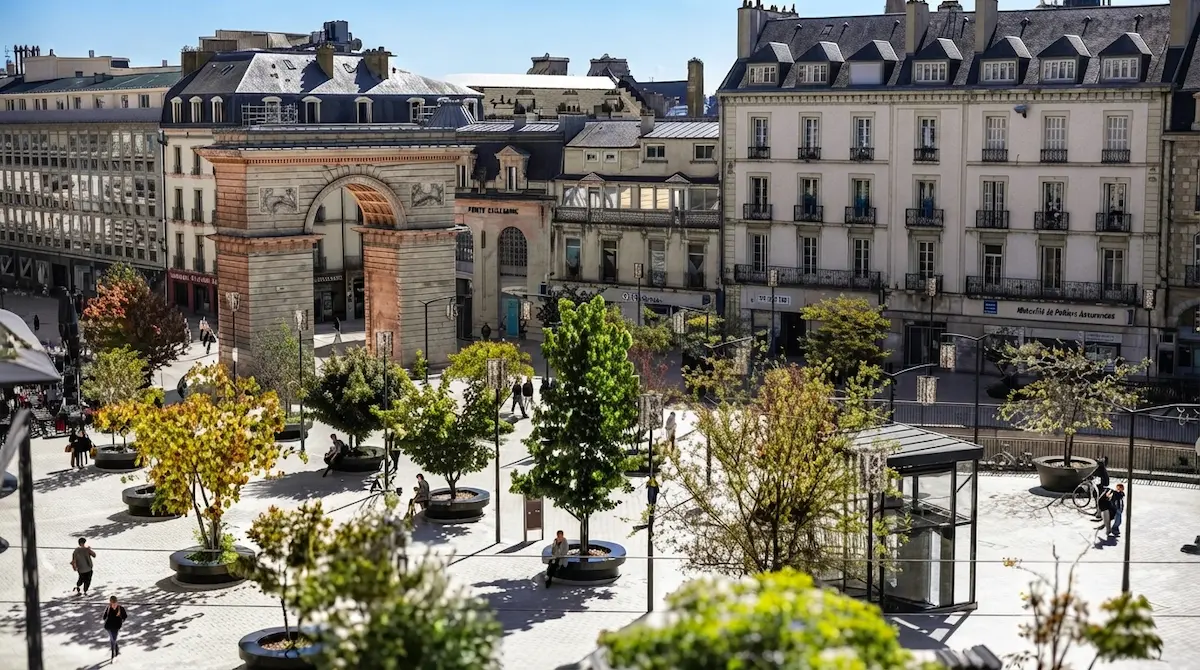
Dijon is a safe city, including in the evening. The historic centre is well lit and busy until 11pm in summer, 9pm in winter. The streets around place de la Libération and rue de la Liberté stay lively late into the night thanks to restaurants and bars. A few outlying districts (Grésilles, Chevreul, Fontaine) can be less safe late at night, but visitors have no reason to go there.
Basic precautions:
- Keep your phone and wallet in an inside pocket, not your back jeans pocket. Pickpockets operate mainly on restaurant terraces and on public transport (tram).
- Do not leave your bag open or hanging on the back of your chair on a terrace.
- Avoid isolated cash machines at night. Use those in bank lobbies or on main streets (rue de la Liberté, place de la République).
- Underground car parks are secure (CCTV, patrols), but do not leave valuables visible in the car.
| District | Level | Advice |
|---|---|---|
| Historic centreplace de la Libération, rue de la Liberté, Palais des Ducs | Safe, day and evening | Busy until 11pm in summer; keep the usual reflexes (inside pocket, closed bag) |
| Place de la République and SNCF station | Safe | Lit and busy; standard vigilance late in the evening |
| Grésilles, Chevreul, Lentillères, Fontaine | Avoid late at night | Residential districts with no tourist interest; no risk during the day |
| Underground car parksplace Darcy, Grangier | Safe | CCTV; leave nothing visible in the car |
Beaune
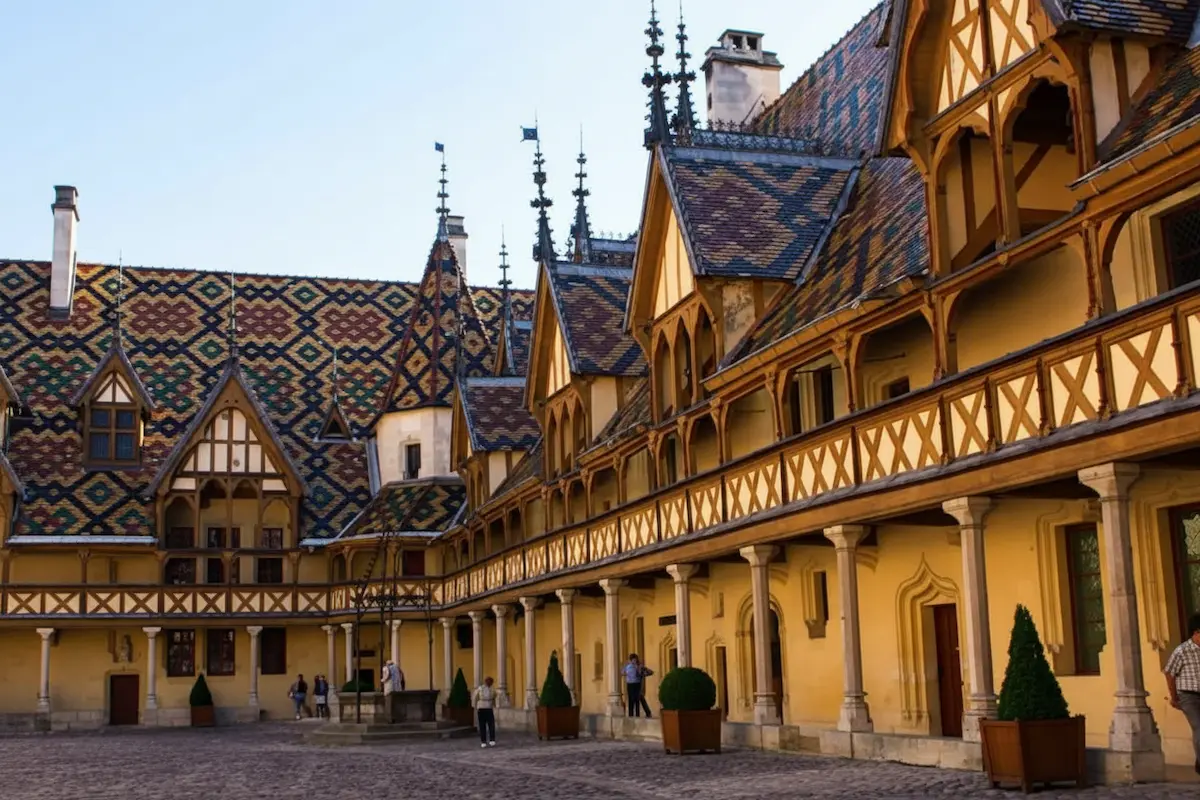
Beaune is even safer than Dijon. The historic centre is small, well lit, and the tourist population is very present there, including in the evening. The streets around the Hospices stay busy until 10.30pm in season. The same precautions apply as in Dijon.
Wine villages and rural areas
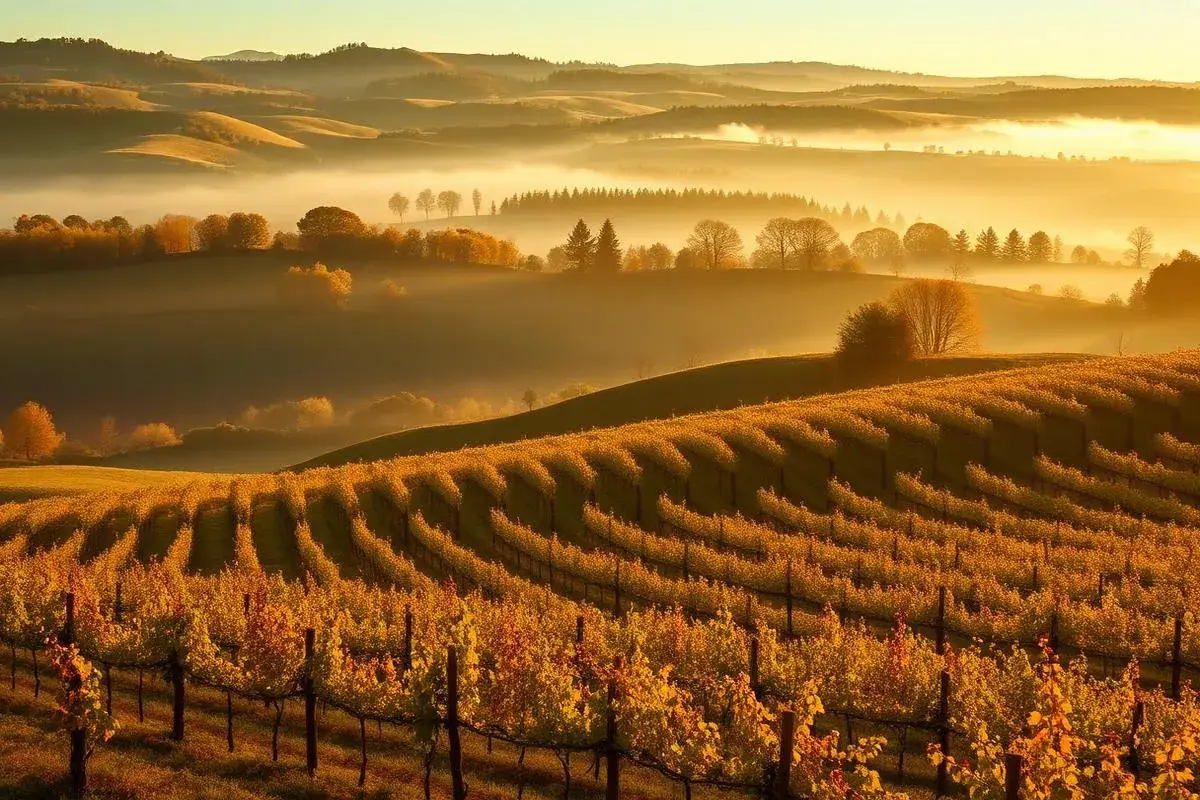
Small wine villages (Gevrey-Chambertin, Pommard, Meursault, Nuits-Saint-Georges) are very safe. The main risk is smash-and-grab theft: never leave a bag, camera, phone or valuable clothing visible in your car parked at a wine estate. Domaine car parks are rarely monitored. Even a jacket on the seat can attract attention. Stow everything in the boot before you reach the car park.
Tastings and driving: after a tasting, do not get back behind the wheel. The legal limit is 0.5 g/l of alcohol in the blood (0.2 g/l for novice drivers), about two glasses of wine for an adult, and less if you have not eaten. Designate a sober driver, take the train (Dijon–Beaune and Dijon–Chalon-sur-Saône lines) or a taxi. Using the spittoon offered by estates is not rude: it is exactly what the professionals do.
In summer, the heat of the boot also affects the wine: carry your purchases in the shade, protected from jolts, and do not leave them in the car for a whole day.
Valuables and documents
Identity papers
Keep your passport or ID card in the hotel safe. Carry a photocopy or a photo on your phone in case of a check. For non-EU nationals, the original passport must be carried (legal requirement), but a money belt is recommended.
Cash and payment methods
Bank cards are accepted everywhere in Côte-d’Or, including at most wine estates. Still, allow €50 to €100 in cash for small estates that do not take cards, markets and tips. Cash machines are plentiful in Dijon and Beaune, rarer in villages in the Auxois and Châtillonnais. If your bank card is stolen or lost, block it immediately: 0 892 705 705 (Carte Bancaire) or from your bank’s app.
Phone and devices
Smartphone theft is the most common offence in tourist areas. At restaurants, do not leave your phone on the table. On a terrace, keep it in a closed pocket. In museums and cellars, opportunistic thefts are rare but do happen in very busy queues (Hospices de Beaune, Cité de la Gastronomie).
Tourist scams: know them to avoid them
First, good news: scams in Côte-d’Or are rare and never violent. Knowing the main families is enough to foil them, they all revolve around one simple reflex: never pay cash or by card in the street, and check any offer against an official source.
| Scam | How to avoid it |
|---|---|
| Fake street collections or fake charities (rue de la Liberté, place du Théâtre) | Only give if you want to, and never by card, even with a terminal shown. A charity does not collect card donations in the street. |
| Fake “fly-by-night” wine tastings | Book your tastings at the estate or through the tourist offices. A “grand cru” sold at a knockdown price from a van does not exist. |
| Fake QR codes stuck on parking meters | Only scan the QR code printed on the meter. If in doubt, pay with coins or directly by card. |
| Fake police officers or fake fines | A police officer never asks for cash. If in doubt, dial 17 or go into a shop. |
| Ticket resale (Hospices de Beaune, tastings) | Buy only from official ticket offices and websites. Hospices de Beaune sale tickets can only be bought from official institutions. |
Golden rule: if an offer seems rushed, too good to be true, or “no booking possible”, and involves paying in the street, in cash or by card, it is a scam. Politely refuse, walk away and report it on 17.
Hiking and outdoor activities
Natural hazards
The Morvan and Châtillonnais forests carry weather-related risks:
- Violent storms: from May to September, storms can break out in mid-afternoon. Do not set off hiking if a storm is forecast. If caught in a storm in the hills, leave ridges, move away from isolated trees and watercourses.
- Hunting: from September to February, hunting takes place in Morvan and Auxois forests. Ask about hunting days at the village town hall or tourist office. Wear a high-visibility vest if hiking in the forest during hunting season.
- Ticks: present in Morvan and Auxois undergrowth, especially in spring and autumn. Wear long clothing, tuck trousers into socks. Check your body after the walk. If bitten, remove the tick with a tick remover (available at pharmacies) and watch for redness in the following days (Lyme disease).
- Bees and wasps: in summer, vines and flowering areas attract insects. Allergy sufferers should carry their adrenaline auto-injector.
- Forest fires: in summer, smoking and lighting fires are forbidden in forests (prefectoral order). A badly extinguished cigarette butt is enough to start a fire. If you see suspicious smoke, call 18 or 112 without delay.
- Swimming in the Morvan lakes: the beaches (Pannecière, Chamboux, Saint-Agnan) are not supervised and the water stays cool. Stay near the shore and keep an eye on children.
If you get lost: dial 112, stay where you are and save your phone battery.
Safety equipment
Hiking checklist
The essentials before setting off
- Water: 1.5 L per person in summer (500 ml minimum for a 2-hour walk in the vineyard)
- Closed, non-slip shoes for vineyard paths and forest trails
- Hat and sunscreen: the vines offer very little shade, essential even on cloudy days in summer
- High-visibility vest if hiking in the forest during hunting season
- Whistle and head torch: to signal your position and cope with the short days of autumn
- First-aid kit with tick remover, plasters and disinfectant
- Offline maps and power bank: the signal disappears in the Morvan and the Châtillonnais
Recommended routes
Hiking trails in Côte-d’Or are waymarked under the GR (Grande Randonnée) and PR (Promenade et Randonnée) systems. The GR 13 crosses the Morvan; the GRP des Grands Crus links Gevrey-Chambertin to Nuits-Saint-Georges (17.7 km). Trails are usable year-round, but some cliff-edge or corniche sections can be slippery after rain. Check conditions with local tourist offices before setting off.
Weather: preparing for the unexpected
General climate
Côte-d’Or has an oceanic climate with a semi-continental tendency. Summers are hot (up to 35°C in July–August) and sometimes stormy. Winters are cold (often below 0°C in January–February, sometimes down to -10°C in the Morvan). Rainfall is spread across the year with peaks in spring and autumn.
In summer
Heatwaves are increasingly frequent (record: 39.5°C in Dijon on 24 July 2019). In a heatwave, museums and shopping centres are air-conditioned. Drink regularly, wear a hat and avoid going out between 1pm and 4pm. Violent storms can cause local flooding (sudden rises of the Ouche and Armançon).
In winter
Frost and black ice are common from December to February. Vineyard roads (winding departmental routes) can be dangerous. Check conditions before driving. The Morvan gets snow (generally 2 to 5 days a year, rarely more than 10 cm). Temperatures regularly drop below -5°C in the valleys.
Emergency numbers
| Situation | Number | Service |
|---|---|---|
| Life-threatening emergency | 15 | SAMU / SMUR |
| General emergency | 112 | Emergencies (from a mobile) |
| Fire brigade | 18 | Fire, accident |
| Gendarmerie / Police | 17 | Theft, assault, disturbance |
| Emergency by SMS | 114 | Emergency SMS, essential if speaking is dangerous |
| Out-of-hours doctor | 116 117 | Urgent medical consultation |
| Duty pharmacy | 3237 (€0.35/min) | Nearest open pharmacy |
| SOS Médecins | 36 24 | Home consultation (Dijon and region) |
| Poison centre | 15 | Poisoning, bite: the SAMU connects you to the on-call poison centre |
| Veterinary emergency | – | Your veterinary clinic or the town hall gives the on-call vet |
112 is the single European emergency number: dial it from any phone, even without a SIM card or outside your operator’s coverage area, as soon as a network (any operator) is picked up. Give your precise location: commune, hamlet, departmental road number.
Hospitals and clinics
| Establishment | Emergencies | Contact |
|---|---|---|
| CHU Dijon Bourgogne14 rue Paul Gaffarel, Dijon | 24/7, adults and paediatrics | 03 80 29 30 31 |
| Centre hospitalier Philippe le Bonavenue Guigone de Salins, Beaune | 24/7 | via 15 |
| Centre hospitalier de Semur-en-AuxoisAuxois | A&E service | via 15 |
| Centre hospitalier de Châtillon-sur-SeineChâtillonnais | Appointments only, no 24/7 A&E | via 15 |
In Haute-Côte-d’Or (Montbard and surroundings), there is no A&E service open at night: dial 15, the dispatch centre organises care (SMUR, or transfer to Semur-en-Auxois or Dijon).
Mobile coverage and communication
Mobile signal in Côte-d’Or is generally good in built-up areas and along main routes. But some parts of the Morvan and Châtillonnais remain “dead zones” where signal is poor or absent. Under the New Deal Mobile programme, 88% of national territory had 4G coverage by end 2023, but mountain areas and dense forests remain patchy.
Practical tips:
- Download your maps and routes before heading into the Morvan or Châtillonnais. Offline navigation apps (Google Maps, Maps.me, Visorando) are essential.
- Tell someone your hiking route and expected return time.
- Bring a power bank: phone battery drains quickly when searching for signal.
- Some Morvan bivouacs and gîtes have no signal. The gîte landline is a good fallback.
Pharmacies and health
Duty pharmacies
Duty pharmacies in Côte-d’Or are organised by sector. To find the nearest duty pharmacy:
- Call 3237 (€0.35 incl. VAT/min).
- Check the pharmacists’ order website or lists posted on each pharmacy door.
- In Dijon, at night (11pm–9am), the Hôtel de Police (place Suquet) tells you the duty pharmacy (bring ID).
Recommended vaccines
No specific vaccine is required to visit Côte-d’Or. Standard recommendations apply: up-to-date DTP (diphtheria, tetanus, polio) vaccination, meningococcal vaccine recommended for teenagers.
Frequently asked questions
Is Côte-d'Or dangerous for a solo tourist?
How do I report a theft or lost documents?
Are there areas to avoid at night in Dijon?
What should I do in a medical emergency in an isolated wine village?
Another question?
Write to usSources
- Côte-d'Or Prefecture: Safety
- SAMU 21: Medical emergencies
- Météo France: Côte-d'Or weather alerts
- Morvan Regional Natural Park: Hiking safety
- Ministry of the Interior: Emergency numbers
- Office National des Forêts: Forest recommendations
- Côte-d'Or Tourisme: Where to stay
- Maire-info: Mobile coverage: dead zones shrinking
- Wikipedia: Côte-d'Or, geography
- Côte-d'Or Tourisme: Hiking