
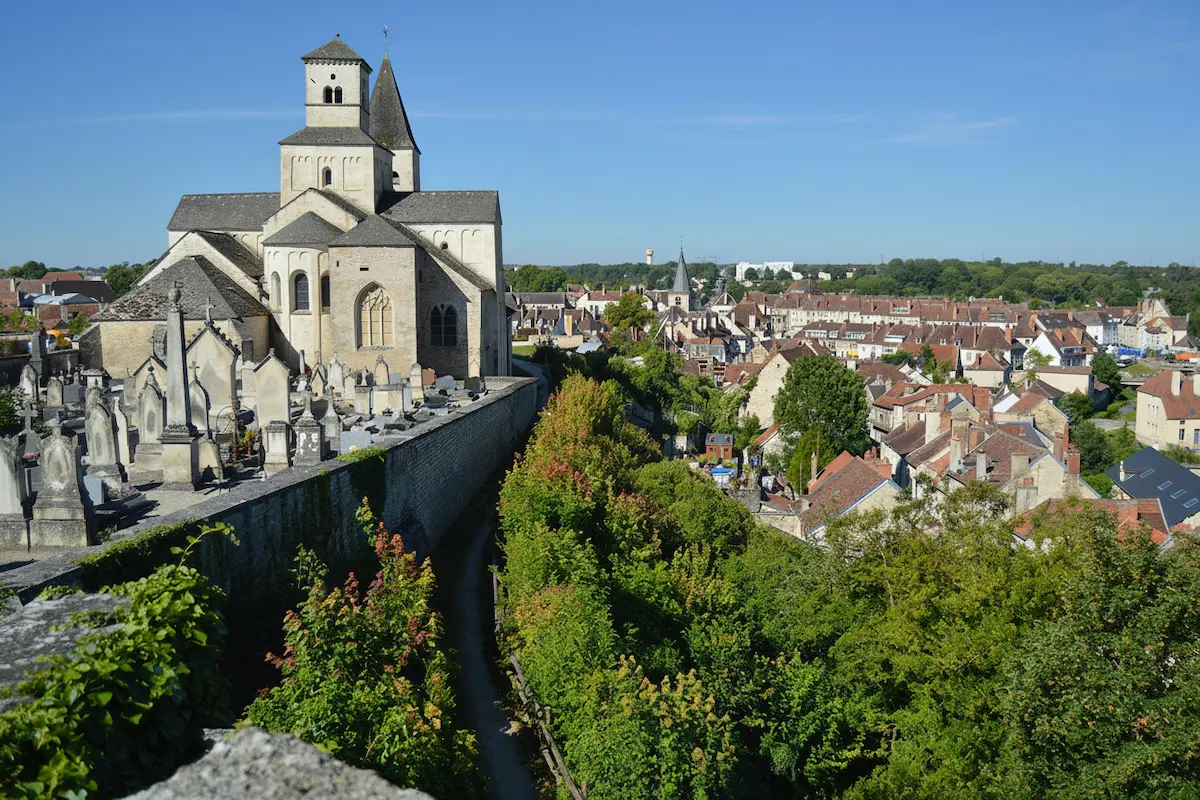


In short: several dozen bed-and-breakfast rooms are offered within the walls of Beaune, and dozens more in the wine villages less than fifteen minutes away. Prices run €100–150 a night in low season, up to €250 during the November wine sale. Gîtes de France (1–4 épis) and Clévacances (1–5 keys) ratings indicate comfort, not the age of the building.
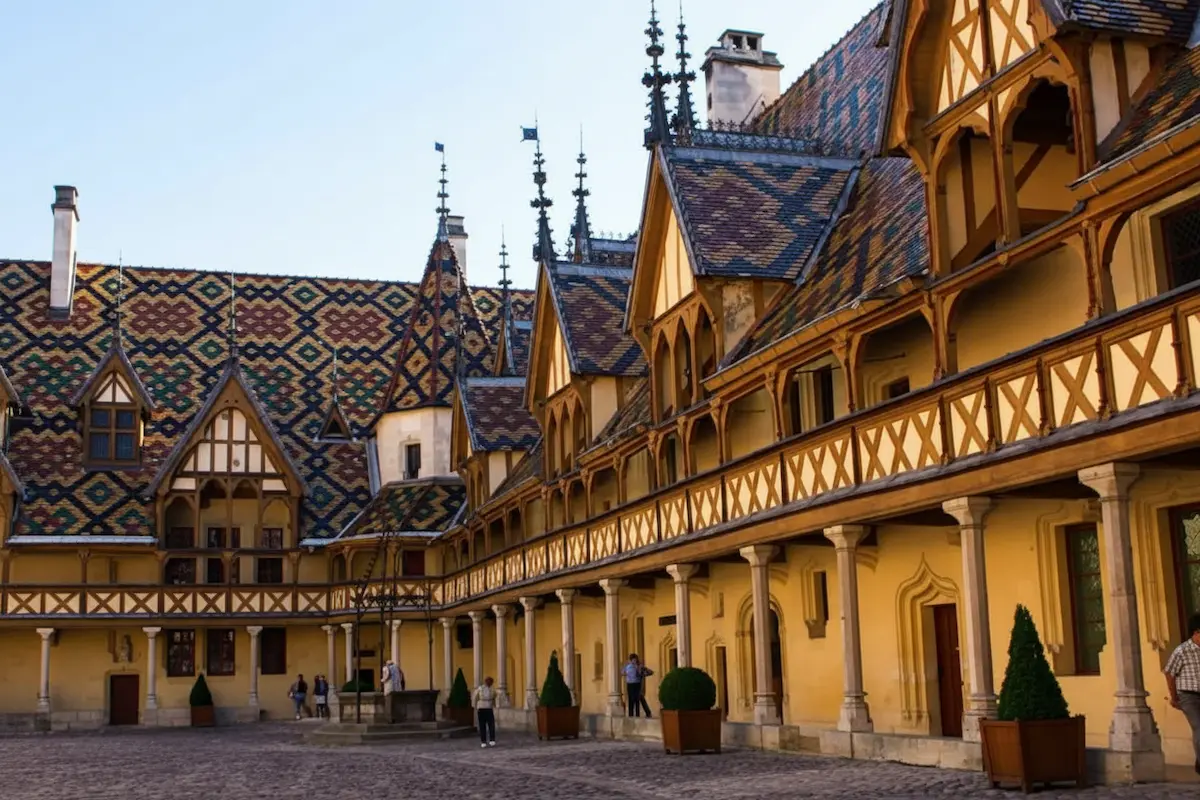
Capital of Burgundy wine, Beaune draws visitors from around the world each year for its medieval ramparts, Hôtel-Dieu and the 1,247 climats that surround it. The town counted 20,032 inhabitants in the 2021 census and sees its population double or triple during major wine events. Choosing where to stay becomes a strategic exercise: within the walls or in an outer district, in an 18th-century town house or a more recent village home, in a chambre d’hôtes or chez l’habitant. This guide covers the options, districts and prices without recommending specific addresses.
Sleeping within the walls: the historic centre
The ramparts and protected sector
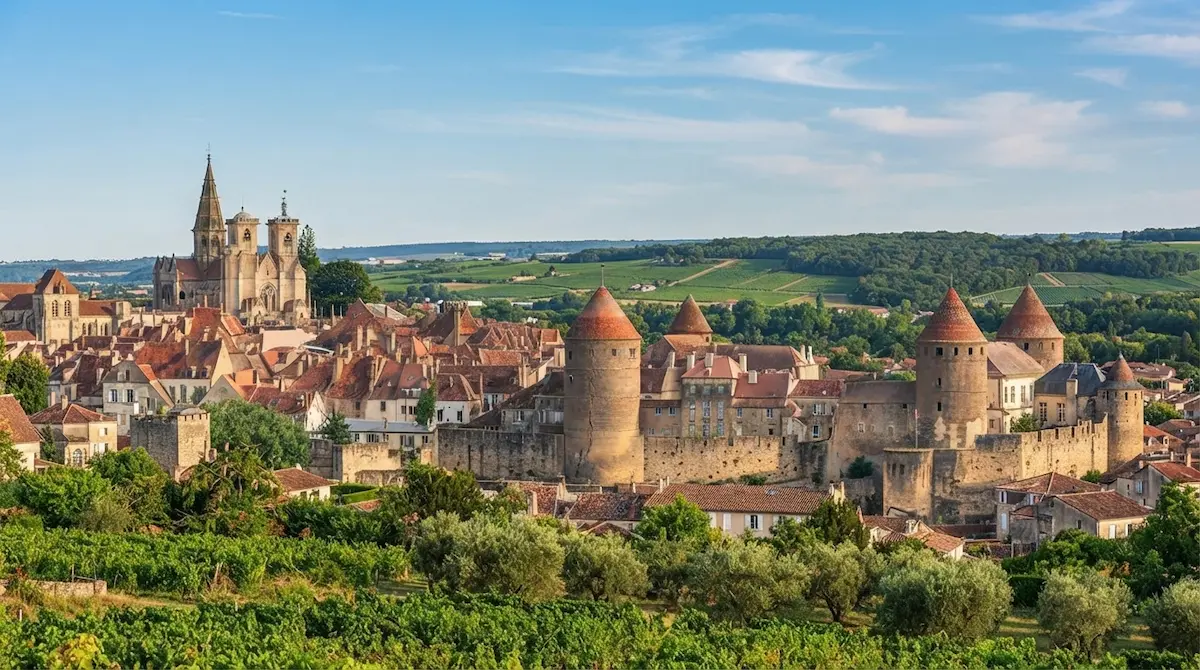
Beaune’s historic centre has been a protected sector (secteur sauvegardé) since 1971. It follows the line of the 13th-century ramparts, an almost complete polygon still enclosing the old town over roughly 2.5 kilometres. The fortifications, partly demolished in the 17th century on Louis XIV’s orders and replaced by wide boulevards, gave way to 17th- and 18th-century town houses built in Burgundy limestone.
Bed-and-breakfast concentration is highest inside this perimeter. A typical town house in the historic centre may offer two to five rooms, often on several floors, with exposed beams, small-paned windows and a stone staircase. Breakfast is served in a vaulted ground-floor room, sometimes in a cellar descending to the level of the old kitchens. The immediate advantage is walking distance to everything: the Hôtel-Dieu, Notre-Dame collegiate church, covered market halls and most tasting cellars are within ten minutes on foot.
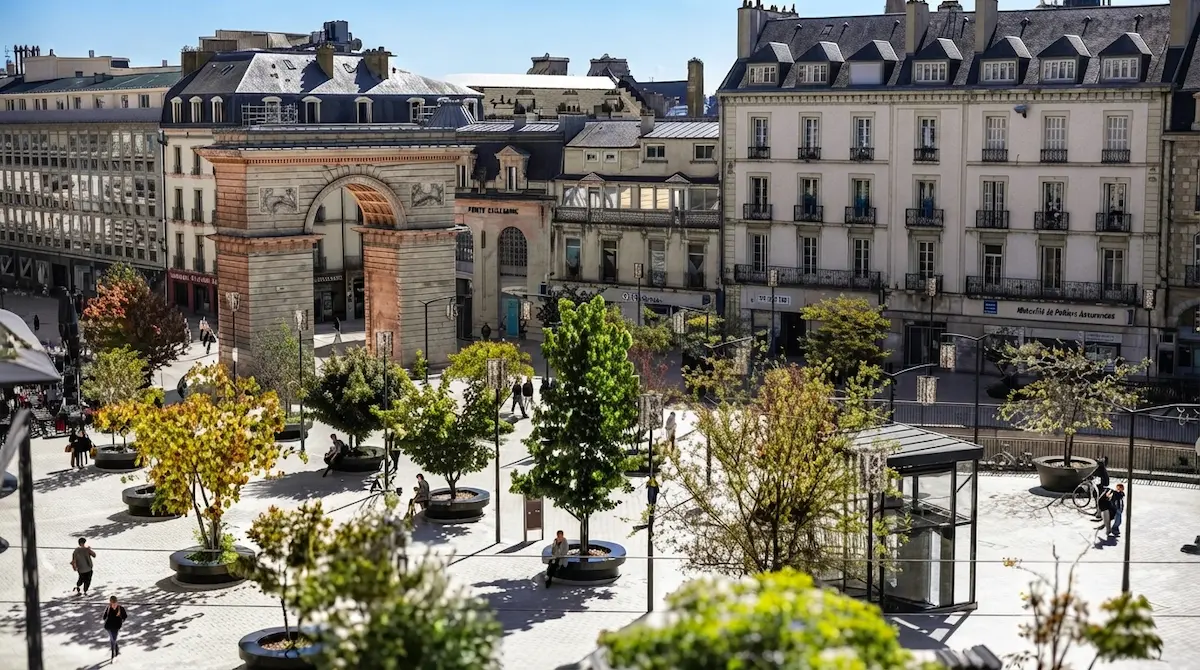
Pedestrian streets in the centre
A few streets concentrate most of the charm accommodation. Rue Lorraine, rue du Faubourg-Bretonnière at the edge of the centre, and streets near place Carnot hold the largest number of B&Bs. Ratings range from a single épi (basic comfort, sometimes shared bathroom) to 4 épis from Gîtes de France, the maximum for B&Bs, guaranteeing quality bedding, personal welcome and a breakfast of regional produce.
What the historic centre lacks is parking: medieval streets were not built for cars, and spaces are scarce or paid. Most owners indicate free relay parking at the town entrance, but the walk from that car park can take five to fifteen minutes depending on where the room is.
The outer districts and immediate fringe
The station quarter and avenue du 8-Septembre
Just outside the inner ring road, Beaune’s outer districts offer a cheaper, car-friendlier alternative. Rue du Faubourg-Saint-Jacques and avenue du 8-Septembre, extending the centre north-west, have several houses converted to B&Bs, often with garden and private parking. Prices are 15–25% lower than in the historic centre for comparable comfort and sometimes more space. The drawback: allow ten to fifteen minutes on foot to reach the Hôtel-Dieu, and the bustle of the centre’s pedestrian streets is less immediate.
Faubourg Saint-Nicolas, to the south
Towards Dijon, faubourg Saint-Nicolas lines 19th-century bourgeois houses along the old main road. Several have become upmarket B&Bs with generous volumes, original parquet and enclosed gardens. Cyclists favour this area: the greenway linking Beaune to Dijon passes within 500 metres, and the Route des Grands Crus begins at the town exit.
Sleeping in surrounding wine villages
Pommard, Volnay, Meursault: within ten minutes
Staying in a wine village rather than Beaune itself changes price and quiet first. Pommard is 4 km from central Beaune, Volnay 5 km, Meursault 6 km. B&Bs are in vigneron houses, sometimes part of the main home, sometimes a separate building in the yard. Average rates are €85–120 a night in low season, against €110–150 in central Beaune.
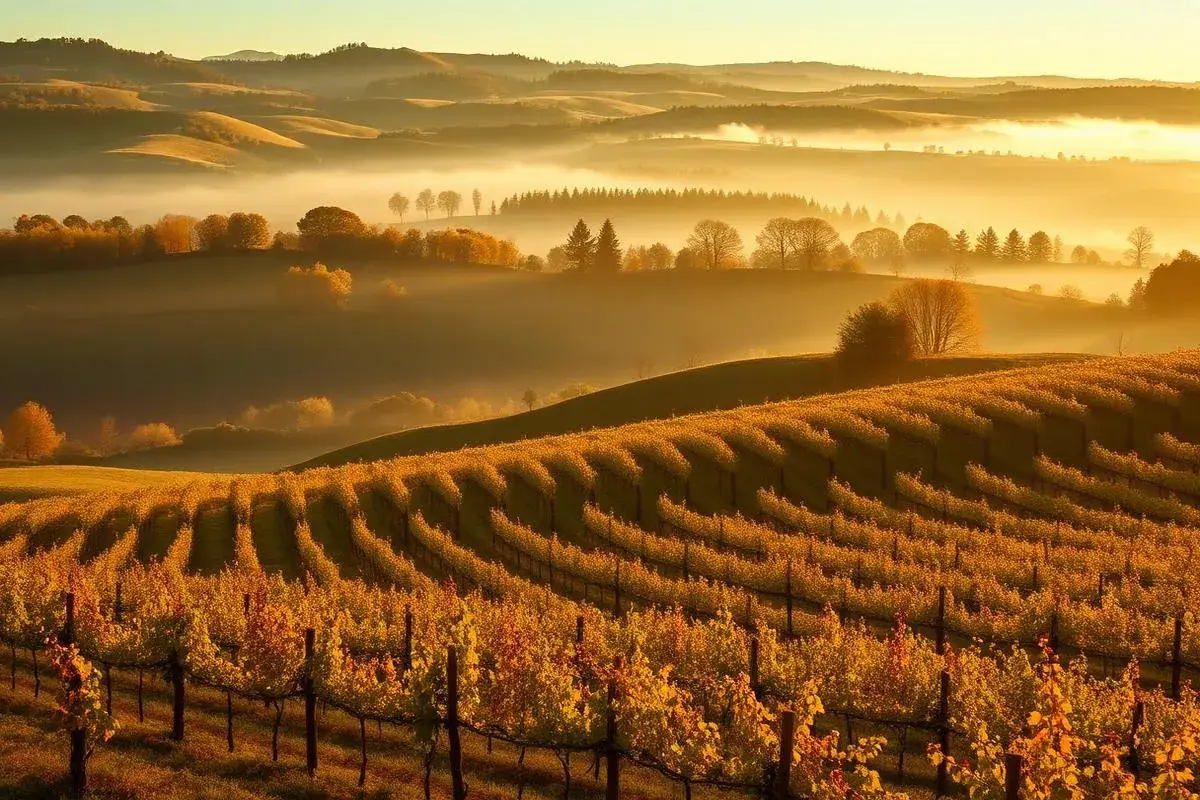
The experience differs: you wake among vines, can walk to the parcels, and night silence is total outside harvest. In return, restaurant choice drops to one or two addresses per village, and you need the car for Beaune market or a livelier evening. Most B&Bs in Pommard and Volnay have parking, which solves the parking problem far better than within the walls.
Savigny-lès-Beaune and Aloxe-Corton: the western side
Savigny-lès-Beaune, 3 km west, and Aloxe-Corton, 5 km north, offer direct access to Côtes de Beaune and Nuits vineyards. Savigny in particular is a more spread-out village where the B&B offer has grown significantly since the 2010s. Its 14th-century château, housing a vine and wine museum, is an extra draw for visitors.
These villages are cheaper than central Beaune and even Pommard, at €75–110 a night, but the lack of regular evening shuttles means you need a car for any trip after 7 p.m.
Quality labels: Gîtes de France, Clévacances and others
Gîtes de France: 1 to 4 épis
The Gîtes de France label, created in 1955, rates B&Bs from 1 to 4 épis on bedding quality, bathroom facilities, room size, welcome and breakfast. The rating does not reflect building age, contrary to common assumption: a 21st-century room can earn 4 épis like an 18th-century house. In Côte-d’Or the label counts more than a hundred listed B&Bs, including several dozen in the Beaune area.
Clévacances: 1 to 5 keys
Clévacances, a rival label created in 1990, uses a similar logic with keys instead of épis. The scale runs from 1 key (essential comfort) to 5 keys (luxury, design or exceptional charm). The label claims several dozen B&Bs in the department, around twenty within Beaune range. Clévacances’ advantage: each listing explicitly states parking, breakfast type and equipment, which makes comparison easier.
Independent labels
Some Beaune B&Bs belong to no national label and rely on a local brand such as “Chambres d’hôtes de Bourgogne” or listings in specialist guides (Le Routard, Le Petit Futé). Absence of a label does not mean lower comfort, but comparison between properties is less standardised. The Beaune tourist office lists these unlabelled hosts with visitor reviews and detailed descriptions.
Prices by season and period
The tourist season in Beaune breaks into several micro-seasons, more marked than in towns of similar size:
- January to March: low season. B&Bs run at 30–40% occupancy. Prices are at their lowest, €90–130 depending on standing. Some owners close entirely in January.
- April to June: mid-season, occupancy 60–70%. Prices rise to €120–160, with peaks at Ascension and Pentecost.
- July to August: classic high season. Prices reach €130–180 for a double room. August is slightly less busy with wine enthusiasts than May–June, but Beaune also draws passing tourism.
- September: often the best quality-to-price period in the vineyard. Harvest begins between late August and mid-September. Prices stay €120–160, but village activity peaks.
- November: absolute peak with the Hospices de Beaune wine sale, third weekend of November. Prices can double: expect €180–250 a night when anything is left. Booking is often six to eight months ahead.
- December: Beaune Christmas market, moderate footfall except Immaculate Conception weekend.
Choosing according to your stay
The choice between within-the-walls B&B and a wine-village room depends on your trip logic. For a weekend centred on gastronomy and monuments, within the walls is more practical: everything is on foot, restaurants abound, and you can extend the evening on central squares without driving. For a stay focused on tasting and estate visits, a wine village offers immediate access to the Grands Crus routes, softer prices and a more immersive experience, but assumes a car for dinner.
Frequently asked questions
Should you book months ahead for bed and breakfast in Beaune during the Hospices wine sale?
What is the price difference between within-the-walls B&B and one in a wine village?
Are Beaune bed-and-breakfast rooms open all year?
Another question?
Write to usSources
- Office de Tourisme de Beaune - Se loger
- Gîtes de France Côte-d'Or - Chambres d'hôtes
- Clévacances Côte-d'Or - Chambres d'hôtes
- Mairie de Beaune - Présentation de la ville
- INSEE - Chiffres clés du tourisme en Côte-d'Or
- Wikipédia - Beaune
- Côte-d'Or Attractivité - Hôtellerie et hébergements
- Atout France - Classement et labels des hébergements
- Bourgogne Tourisme - Chambres d'hôtes en Côte-d'Or