
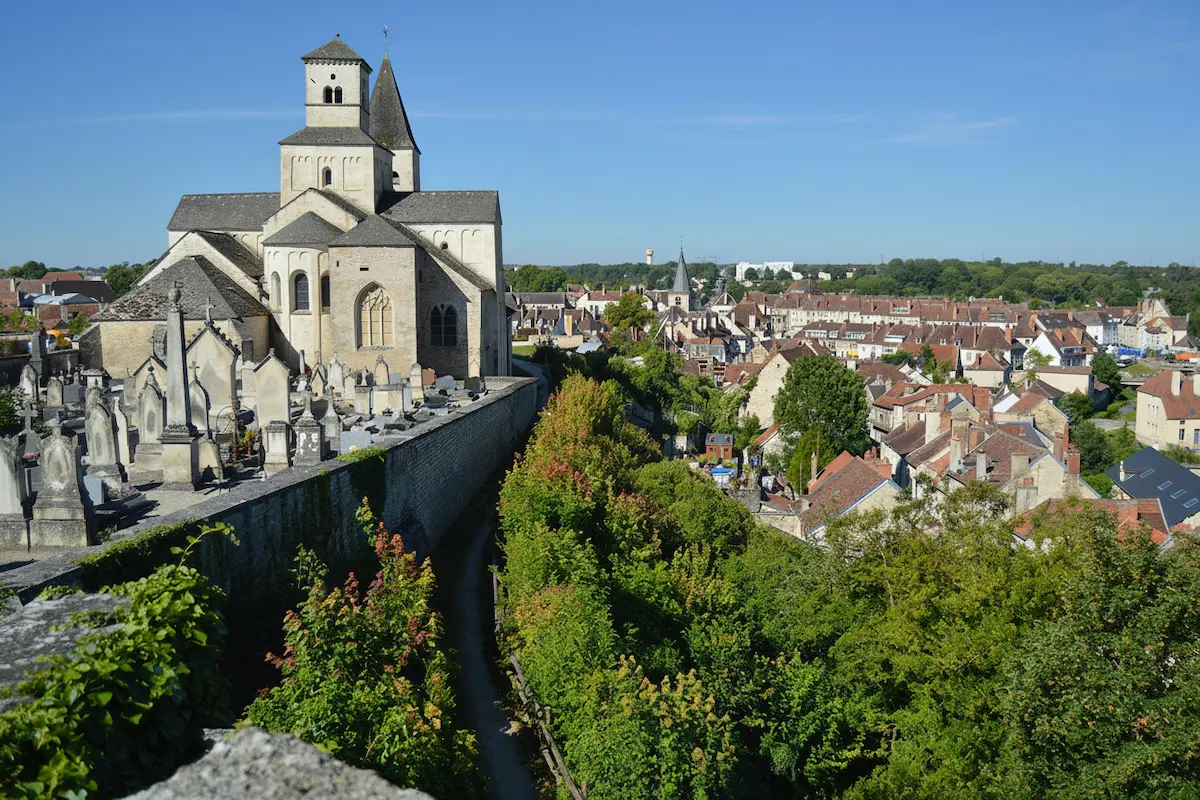


In brief: Vanvey-sur-Ource is a small village in the Ource valley, nestled between the river and the wooded hillsides of the Chatillonnais. Close to the reviving Chatillonnais vineyard and its Burgundy cremant, it offers a peaceful living environment and preserved landscapes. An authentic stop for nature and heritage lovers.
South of the Ource valley, about ten kilometres from Chatillon-sur-Seine, Vanvey-sur-Ource is one of those Burgundy villages where time seems to stand still. Perched on the valley hillsides, it overlooks the river and offers remarkable views over the woods and meadows that surround it. With around 240 inhabitants, it is a peaceful village, far from tourist crowds, where visitors come for the calm, the landscapes and discovering the Burgundy cremant of the neighbouring Chatillonnais.
A small village in the Ource valley
Vanvey-sur-Ource stretches along the right bank of the Ource, nestled between the river and the first wooded hillsides. The village is built around a main street that follows the curve of the valley, lined with limestone houses with flat-tile roofs, typical of Chatillonnais rural architecture. Officially named Vanvey, the commune has kept the name Vanvey-sur-Ource in common usage.
The Notre-Dame-de-l’Assomption church, built from 1784 to 1786 in the neoclassical style, dominates the village. Its portico, added in 1831, gives it the air of an ancient temple. The building, bearing the signature of architect P.-J. Antoine, has been listed as a Historic Monument since 1976.
The village lanes invite leisurely strolling. You will discover restored washhouses, wells and kitchen gardens that bear witness to traditional rural life. The dry-stone walls that border the properties are a characteristic feature of the landscape, patiently built by the generations of farmers who shaped the territory.
The vineyard and cremant of the Chatillonnais
Vanvey-sur-Ource lies at the heart of the Chatillonnais vineyard, classified AOC Cremant de Bourgogne and labelled “Vignobles & Decouvertes”. Burgundy cremant is a sparkling wine made using the traditional method, the so-called “champagne method”: a second fermentation in bottle that produces its characteristic fine bubbles.
The Chatillonnais has experienced a notable viticultural revival in recent decades, renewing an ancient winemaking past. The grape varieties used for cremant are mainly pinot noir, chardonnay and aligote, producing fresh, fruity wines.
Visitors can taste the cremant at the region’s producers, by appointment. The Cremant Route, which winds through the Chatillonnais valleys, allows you to discover these wine estates in a bucolic setting. Some producers also offer cellar tours and explanations of how cremant is made.
The hillside landscapes
The landscape around Vanvey-sur-Ource is a patchwork of meadows and woods that rises from the valley floor to the hilltops. This mosaic of colours and textures changes with the seasons: tender green of the meadows in spring, gold of the leaves in autumn, frosty white of the hillsides in winter.
The deciduous woods cover the heights of the hillsides. The main species are oak, hornbeam and lime, typical of the limestone forests of the Chatillonnais. These woods are home to varied wildlife: roe deer, wild boar, foxes and many species of forest birds.
The wet meadows of the valley floor, along the Ource, are a precious ecosystem. Flooding in spring during river swells, they host a specific flora: buttercups, marsh irises, wild orchids. These wetlands are refuges for biodiversity and prime observation sites for naturalists.
Peace and quality of life
Vanvey-sur-Ource is above all a village where life is good. The peace that reigns in its lanes, the birdsong in the gardens, the lapping of the Ource as it flows gently by: everything contributes to an atmosphere of serenity that appeals to visitors seeking to disconnect.
The village is an excellent starting point for walks on foot or by bike in the Ource valley. The departmental road that follows the river is little frequented and offers a pleasant route for cyclists. The hiking trails that climb the hillsides allow you to discover the vineyards and panoramic viewpoints over the valley.
For fishing enthusiasts, the Ource is a first-category river, renowned for its brown trout and grayling. Fishing is regulated and requires a fishing licence, available from local retailers.
The proximity of Chatillon-sur-Seine (10 km) allows you to benefit from the town’s shops and services while enjoying the peace of the village. Vanvey is also close to the National Forest Park and the Chatillon forest, providing easy access to vast, unspoilt natural areas.
Walks and discoveries
Several walking circuits are possible from Vanvey-sur-Ource:
- Au fil de l’Ource: a walk following the river, between wet meadows and slope woods, ideal for walking or cycling.
- Sur les coteaux: the trails climbing above the village cross the woods and offer panoramas over the valley.
- Vers les villages voisins: the roads and paths link Vanvey to Maisey-le-Duc, Villiers-le-Duc or Recey-sur-Ource, passing through the Chatillon forest.
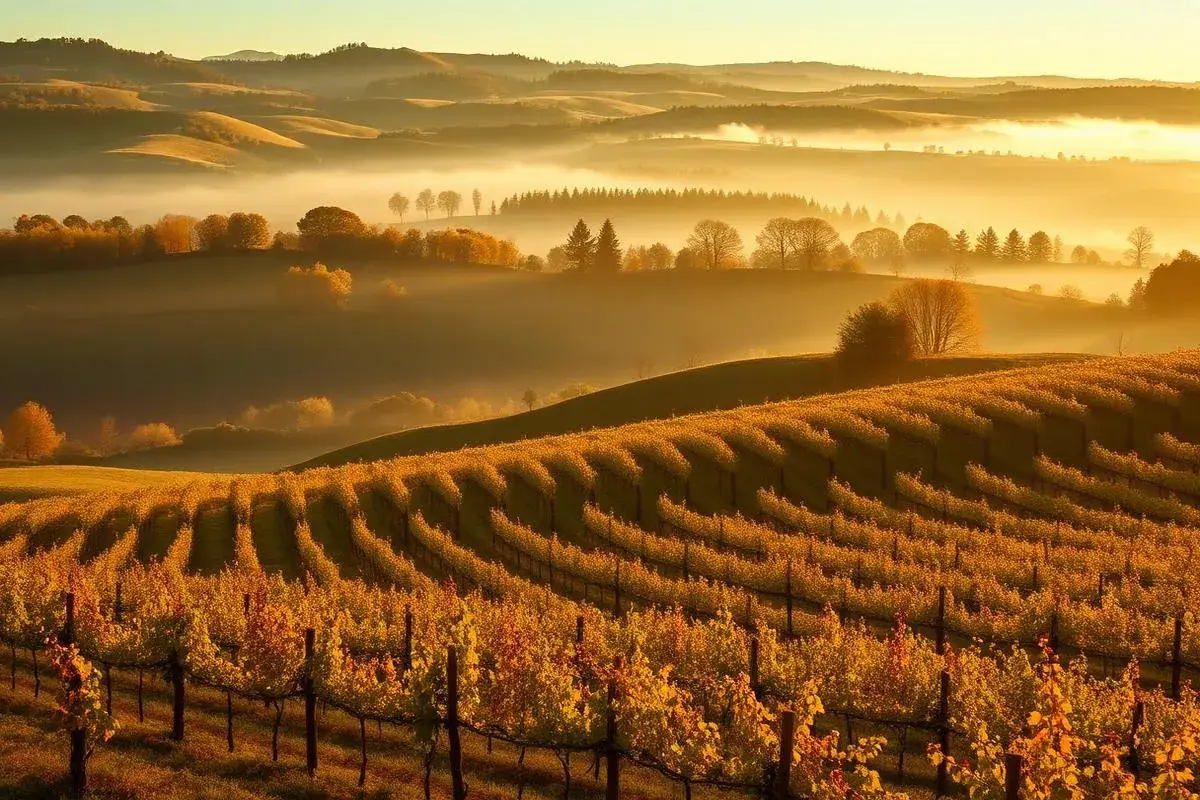
In autumn, the warm colours of the hillsides offer a photogenic spectacle, between gold of the leaves and morning mists over the valley.
The village is also close to the Musee du Pays Chatillonnais and the site of the Tresor de Vix in Chatillon-sur-Seine, as well as the Val des Choues abbey in the Chatillon forest. A day can easily combine a visit to the village with discovering these major Chatillonnais sites.
Practical information
Access and accommodation
Vanvey-sur-Ource is accessible via the RD928 departmental road linking Chatillon-sur-Seine to Langres. The village is about 15 minutes from Chatillon-sur-Seine and 15 minutes from Recey-sur-Ource. Parking is available on the village square and along the main street.
Accommodation in Vanvey-sur-Ource is limited to a few guest houses and rural gites, offering an authentic setting for staying in the valley. For a wider choice, visitors will find hotels and restaurants in Chatillon-sur-Seine, about ten kilometres away. The best time to visit Vanvey-sur-Ource is spring and autumn, when the vineyard landscapes are at their finest and temperatures are mild for hiking. In summer, the coolness of the valley offers a welcome respite, while in winter, the village asleep under the frost reveals a discreet and authentic charm.
Frequently asked questions
What to visit in Vanvey-sur-Ource?
Can you taste cremant in Vanvey-sur-Ource?
What are the landscapes around Vanvey-sur-Ource like?
Another question?
Write to usSources