
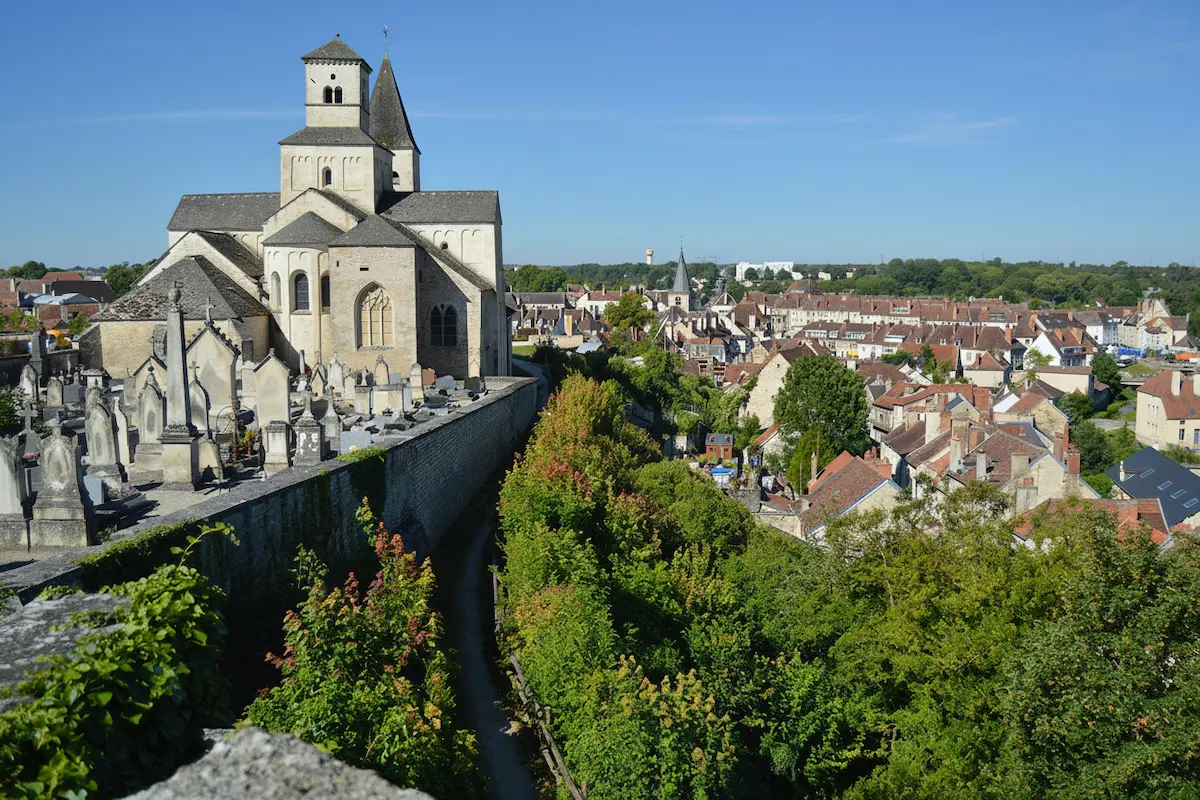


In short: around forty wine estates in Côte-d’Or offer bed and breakfast or gîtes at the heart of their operation, with private tasting, cellar visits and sometimes access to the vines. Prices run €90–200 a night for a double room, depending on standing and season. The experience is total immersion in wine work, but requires flexibility on visit times and acceptance of the farming rhythm.
Staying chez le vigneron goes beyond simple lodging: waking among the rows, visiting cellars off the tourist circuit, a commented tasting from the person who made the wine. Burgundy has around 2,700 winegrowers in Côte-d’Or, and some forty have fitted part of their operation for guests. This guide presents the types of estate that offer accommodation, the experience you can expect, and the main properties where you can sleep in the vineyard.
What is an estate with accommodation?
The formula covers very different realities. A wine estate offering B&B provides one to five rooms in the main house or a separate building, with breakfast and often the option of an evening tasting. The relationship with the owner is direct: they or their family welcome you, serve breakfast and show you the cellar.
The degree of integration with the estate varies. On a small estate of 5–15 hectares, typical of the Côte de Nuits, the grower works the parcels themselves and can offer a personalised tour of their climats. On a larger property such as Château de Pommard (20 hectares in a single block), visitor welcome is handled by dedicated staff; the château does not offer on-site accommodation.
Why stay chez le vigneron rather than elsewhere
Access to vines and cellars
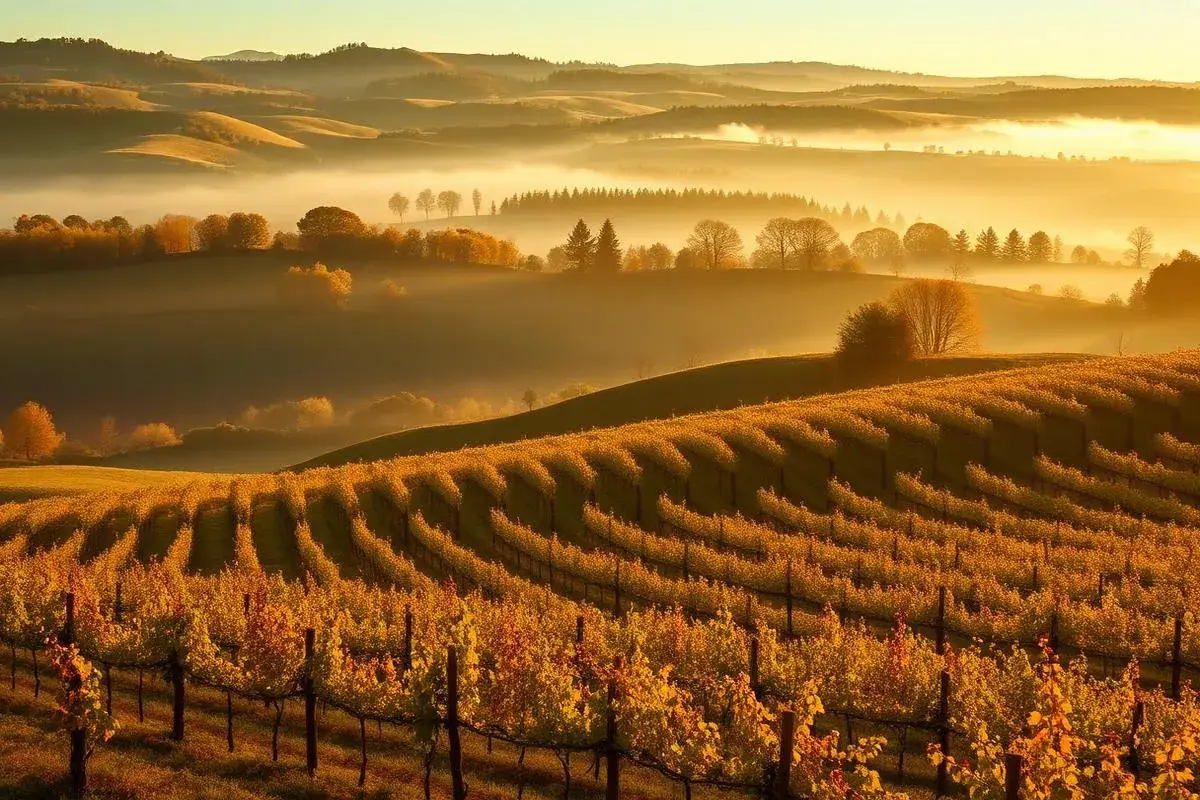
The main advantage of a night on an estate is access to the vines outside opening hours. Most estates close to the public at 5 or 6 p.m. Guests staying on site can walk the rows at day’s end, when Côte d’Or’s oblique light falls on the vines, or early in the morning before visitors arrive. Those are the moments when you grasp what east-facing exposure means for the climats: the rising sun hits the slope head-on, drawing parallel rows and dry-stone walls that mark the parcels.
Private cellar visits are the other asset. In a small estate, the grower opens the winery, shows barrels in ageing, and comments on vintages without the constraint of a standard visit slot. Some estates offer tasting of cuvées not yet on the market or from the back of the cellar, a rare chance to taste wines that will never reach retail.
Evening meal at the estate table
Several estates offer a vigneron’s dinner, served in the property dining room or around a shared table. The meal is prepared by the owner or a local caterer, with a selection of estate wines. It is not a restaurant: it extends the welcome, with flexible times and an atmosphere closer to a gathering of friends than professional service.
Dinner prices run €30–60 per person, wine included. It usually must be booked ahead, as estates that offer it do not do so every evening and limit covers according to guests present.
Morning in the vines
At some estates, the grower offers a morning walk through their parcels before you set off for the day. It is a chance to learn to read a climat: slope, soil type (clay or limestone), subsoil (gryphée limestone or marl), and exposure, the four factors that determine grape quality and, ultimately, the wine. A Côte de Beaune grower who takes you into Meursault or Volnay vines will show how, within a few metres, the same grape variety yields radically different wines.
Main estates with accommodation in Côte-d’Or
Château de Marsannay: hotel in the vineyard
Château de Marsannay, 5 km south of Dijon, is one of the largest wine estates of the Côte de Nuits. The estate covers 40 hectares in organic farming, including 28 hectares of Marsannay appellation, with parcels in Chambertin, Vosne-Romanée and Clos de Vougeot. The château, built in the 16th century and remodelled in the 19th, does not offer accommodation: guided tours and tastings take place in the courtyard and the old cellars.
The visit experience centres on wine: a walk through the cellars, tasting of estate cuvées, and access to the vines surrounding the château directly.
Château de Pommard: architectural tasting
Château de Pommard, in the village of the same name 4 km from Beaune, is an 18th-century house surrounded by the clos Marey-Monge, 20 hectares in a single block, one of Burgundy’s largest monopole clos. The château does not offer accommodation: you sleep in the hotels and B&Bs of Pommard, Volnay or Beaune.
Château de Pommard’s particularity is immersive tasting: guests can join a blending workshop, composing their own cuvée from different samples, a pedagogical experience that shows how grower and cellar master build the taste of the wine.
Domaine de la Romanée-Conti: the exception that proves the rule
Domaine de la Romanée-Conti at Vosne-Romanée does not offer accommodation. It illustrates that the vast majority of Côte de Nuits and Côte de Beaune estates are modest family operations without guest facilities. Estates with accommodation are therefore an exception, concentrated in the largest properties or those most recently turned towards wine tourism.
Family estates with bed and breakfast
Several family operations on the Côte de Beaune and Côte de Nuits offer B&B in the manor house or a converted farm building. These estates, typically 5–15 hectares, are often in Route des Grands Crus villages: Meursault, Puligny-Montrachet, Chassagne-Montrachet, Aloxe-Corton, Nuits-Saint-Georges.
Prices are more accessible, €90–150 a night, with direct welcome from the grower or family. Tasting is often offered on arrival, and breakfast may include produce from the property (jams, honey, grape juice in September). These estates are not always widely advertised and can be found via Gîtes de France or Bourgogne Tourisme under “hébergement chez le vigneron”.
Estates in the Hautes-Côtes: a cheaper alternative
Hautes-Côtes de Nuits and Hautes-Côtes de Beaune, west of the RN 74 on the first Morvan foothills, offer a quieter, cheaper alternative to estates on the main wine slope. At 200–350 metres altitude, Hautes-Côtes vines produce regional appellation wines, less prestigious but often good value.
Several Hautes-Côtes estates offer gîtes and B&B at very competitive prices, €70–110 a night. The advantage is twofold: a greener, almost pastoral setting, and proximity to Morvan hiking trails. The drawback is distance from the grands crus, which means driving to visit Côte estates.
The experience by season
Each season offers a different experience on a wine estate:
- Spring (March–May): the vine emerges from winter rest. Buds break, estates prune and train. Days lengthen, terrace evenings among the vines become pleasant. Best period to watch manual work in the parcels.
- Summer (June–August): the vine is in full growth. July and August are the busiest visiting months. Evenings are long, and light sets late over the slopes. Tasting in the cellar at 12–14 °C is a real pleasure when outside temperatures rise.
- Autumn (September–October): harvest time. Activity peaks, the sound of harvesters and tractors rhythms the village. Most exciting for enthusiasts, but also the most expensive and hardest to book. Early mornings, bustle everywhere.
- Winter (November–February): the vine rests, estates often close earlier. Cheapest and quietest period, ideal for those who want a privileged relationship with the grower, more available for long conversations over a bottle.
Frequently asked questions
Is a wine estate with rooms necessarily more expensive than a hotel or conventional B&B?
Can you visit vines and cellars without staying on the estate?
Are children accepted at wine estates with accommodation?
Another question?
Write to usSources
- BIVB - Chiffres clés de la Bourgogne viticole
- Wikipédia - Climat (viticulture)
- Côte-d'Or Attractivité - Tourisme viticole
- Bourgogne Tourisme - Hébergements chez le vigneron
- La Revue du Vin de France - Guide des domaines de Bourgogne
- Gîtes de France - Chambres d'hôtes chez le vigneron
- Château de Pommard - Domaine et hébergement
- Château de Marsannay - Domaine et visites
- Hospices de Beaune - Caves et dégustations
- INSEE - Recensement des établissements d'hébergement en Côte-d'Or