



In short: Côte-d’Or can be visited without a car. The TGV puts Dijon 1h35 from Paris and about 1h30 from Lyon. The TER links Dijon to Beaune in 22 minutes. The Voie des Vignes offers 72 km of waymarked cycle path through the finest climats. Mobigo regional buses cover around 30 lines for €2 per journey.
The idea that you absolutely need a car to visit Burgundy is wrong. Hilltop Auxois villages or the sources of the Seine do require a vehicle, but the essentials, Dijon, Beaune, the Route des Grands Crus, the Burgundy Canal, are reachable by train, bike or bus. This guide details each option, with real prices and real journey times.
Getting to Côte-d’Or without a car
The TGV, the backbone
The TGV, the backbone, details
Dijon-Ville station is the département’s main rail gateway. It serves:
- Paris Gare de Lyon: 1h35 by direct TGV, around 15 return journeys per day. First departure around 6am, last return around 9.30pm.
- Lyon Part-Dieu: about 1h30, around ten direct trains per day (TGV, TER and Intercités).
- Lausanne: direct link via Dijon, about 2 hours (frequency varies by day).
- Strasbourg: direct TGV, about 2 hours.
The station is 10 minutes on foot from the historic centre. Tram lines T1 and T2 stop in front of the station (Gare S.N.C.F. stop).
Beaune station, smaller, receives TER from Dijon (22 min), Lyon (1h30) and Chalon-sur-Saône (25 min). Some Paris–Lyon TGVs stop there on request.
Airports: Dole-Jura, CDG and Lyon
Dole-Jura airport (DLE), 45–50 km from Dijon (45 minutes by car via the A39), serves a few seasonal destinations (Porto, Marrakech, Fès). No train serves the airport: to reach Dijon, count on a taxi or a private transfer, or a hire car.
From Paris-Charles-de-Gaulle (CDG): direct TGVs link the CDG 2 TGV station to Dijon in about 1h35 (frequency varies by day), the fastest option from an airport. Otherwise, RER B to Châtelet-Les-Halles then TGV from Paris Gare de Lyon (allow 2h30).
From Lyon-Saint-Exupéry (LYS): the Rhônexpress tram-train (30 min, about €20) to Lyon Part-Dieu, then a direct TGV to Dijon (about 1h30). Allow 3 hours door to door.
Getting around the département by train
The TER Bourgogne, fast and cheap
The Dijon–Beaune–Chalon TER line is the most useful for visitors:
| Journey | Duration | Frequency | Indicative price |
|---|---|---|---|
| Dijon → Beaune | 22 min | 18 trains/day | from €6 |
| Dijon → Nuits-Saint-Georges | 20 min | 12 trains/day | €7.30 |
| Dijon → Chalon-sur-Saône | 45 min | 15 trains/day | €13.20 |
TER prices are dynamic: they vary with the timetable and booking date (Dijon–Beaune starts at about €6). The TER also stops at Gevrey-Chambertin (12 min from Dijon) and Meursault, whose station stands at the entrance to the village. Tickets on SNCF Connect, station machines, or from the conductor on board.
Good to know: bike transport is free on TER Bourgogne, but space is limited: about 6 spaces on older trains, up to 14 on the most modern. Booking the space is compulsory on some routes (Paris–Dijon–Lyon, Paris–Auxerre–Morvan); elsewhere it is recommended in high season (July–August, September weekends).
Tram and bus in Dijon
The Divia network (operated by Keolis for Dijon Métropole) includes:
- 2 tram lines (T1 and T2), 35 stations, 19 km of track
- 30 to 43 urban bus lines
- 1 free city-centre shuttle (City, electric, every 10 min)
A single ticket (valid 1 hour, transfers included) costs €1.40, rising to €1.50 on 1 September 2026. A day ticket costs €4.20. The network runs from 5am to 1am.
Good to know: the Pass Liberté option debits €1.36 per journey at the end of the month, capped at the subscription price. For 18–25 year-olds, the annual pass drops to €260 (instead of €315). Details on the Dijon Métropole website.
Mobigo regional buses
The Mobigo network, funded by the Bourgogne-Franche-Comté Region, serves rural areas and secondary towns with around 30 lines in Côte-d’Or. The flat fare is €2 per journey (valid for a single journey, no transfers), whatever the distance; a 10-trip carnet costs €18.
The most useful lines for visitors:
| Line | Route | Duration | Frequency |
|---|---|---|---|
| LR 113 | Dijon ↔ Nuits-Saint-Georges ↔ Beaune, via the wine villages | 55–60 min | about 7 buses/day |
| LR 119 | Dijon ↔ Semur-en-Auxois (via Sombernon) | 1h15 | 4 to 5 buses/day (plus one daily express) |
| LR 124 | Dijon ↔ Châtillon-sur-Seine | 1h30 | about 5 buses/day |
Note: some rural lines run only in term time (September to June, excluding holidays). Check timetables the day before on viamobigo.fr or via the mobile app.
Cycling, the ideal mode of transport
The Voie des Vignes, the flagship route
The Voie des Vignes is a 72 km cycle route linking Dijon to Santenay, passing through around twenty wine communes. Built on a former railway line, it is fully waymarked, safe (no cars) and suitable for a standard bike or hybrid bike.
Elevation: virtually flat (former railway), except a short climb near Santenay.
Indicative times:
- Dijon → Marsannay: 20 min (6 km)
- Dijon → Gevrey-Chambertin: 45 min (12 km)
- Dijon → Nuits-Saint-Georges: 2h (25 km)
- Dijon → Beaune: 3h30 (49 km)
- Dijon → Santenay: 5h (72 km)
Bike hire: hire shops in Dijon (several near the station), Beaune (Bourgogne Randonnées, 7 avenue du 8 Septembre), Nuits-Saint-Georges and Gevrey-Chambertin. Allow €15 to €25 a day for a hybrid bike, €25 to €40 for an electric bike. Helmet, lock and repair kit are generally provided.
In Dijon, the Vélodi self-service bike scheme completes the hire shops: 400 to 430 bikes across 40 stations (station, town centre, campus), available 24/7. The first half-hour is free (then €0.30 per extra half-hour); the annual subscription costs €24. Handy for extending a TER journey, even on Sundays.
In July–August, book your bike the day before, just like the bike space in the TER.
The Burgundy Canal by bike
The Burgundy Canal towpath offers a second rideable route, shadier than the Voie des Vignes. The Dijon–Lac Kir section is a popular 8 km stroll (30 min) along the water.
Other cycle routes in the département
Côte-d’Or has around 400 km of cycle routes and greenways, including:
- The Burgundy Canal cycle route (about 215 km of greenway from Migennes to Dijon, according to VNF)
- The lac des Settons loop, in the Morvan (about 14 km)
Car sharing and taxi
Carpooling
Carpooling is the simplest plan B for villages with no station or bus. On BlaBlaCar, allow €10 to €15 per person for Paris–Dijon (daily departures), and €3 to €5 for Dijon–Beaune. Book the day before for Sunday journeys, when buses do not run.
Self-service car sharing in Dijon
Citiz offers self-service cars in Dijon with 9 stations across the city (Drapeau, Auditorium, Trémouille, Théâtre, Cordeliers, Monge, Gare, 1er Mai, 30 octobre). Ideal for a day in the Auxois or Châtillonnais.
Taxis and ride-hailing
Taxi ranks at Dijon and Beaune stations, and place Darcy in Dijon. Allow around €80 to €100 for Dijon–Beaune by taxi (38 to 40 km). Uber is scarce outside central Dijon.
Rural taxis are rare: for travel in the Châtillonnais or Morvan, book the day before.
Sample itinerary: 3 days without a car
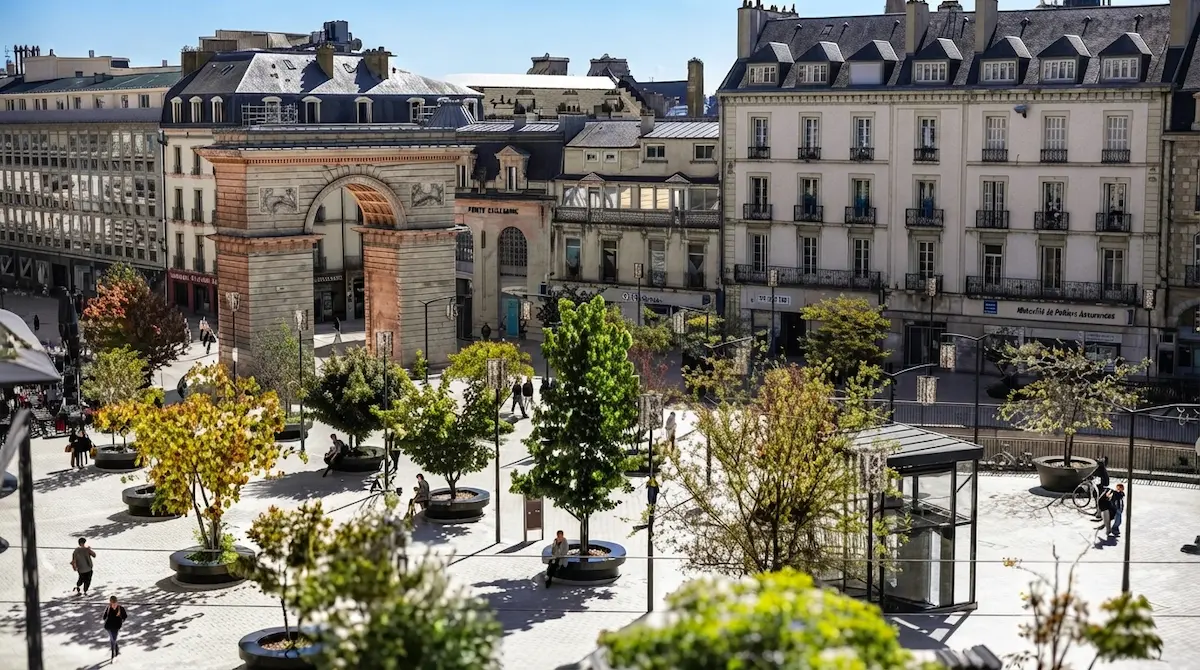
Day 1: Dijon: arrive by TGV, explore the historic centre on foot (everything within 15 min walk), tram T1 to Lac Kir.
Day 2: Route des Grands Crus by bike: morning TER Dijon–Beaune (22 min), bike hire in Beaune, ride up the Voie des Vignes to Gevrey-Chambertin (37 km, 2h30), tasting en route, return TER from Gevrey.
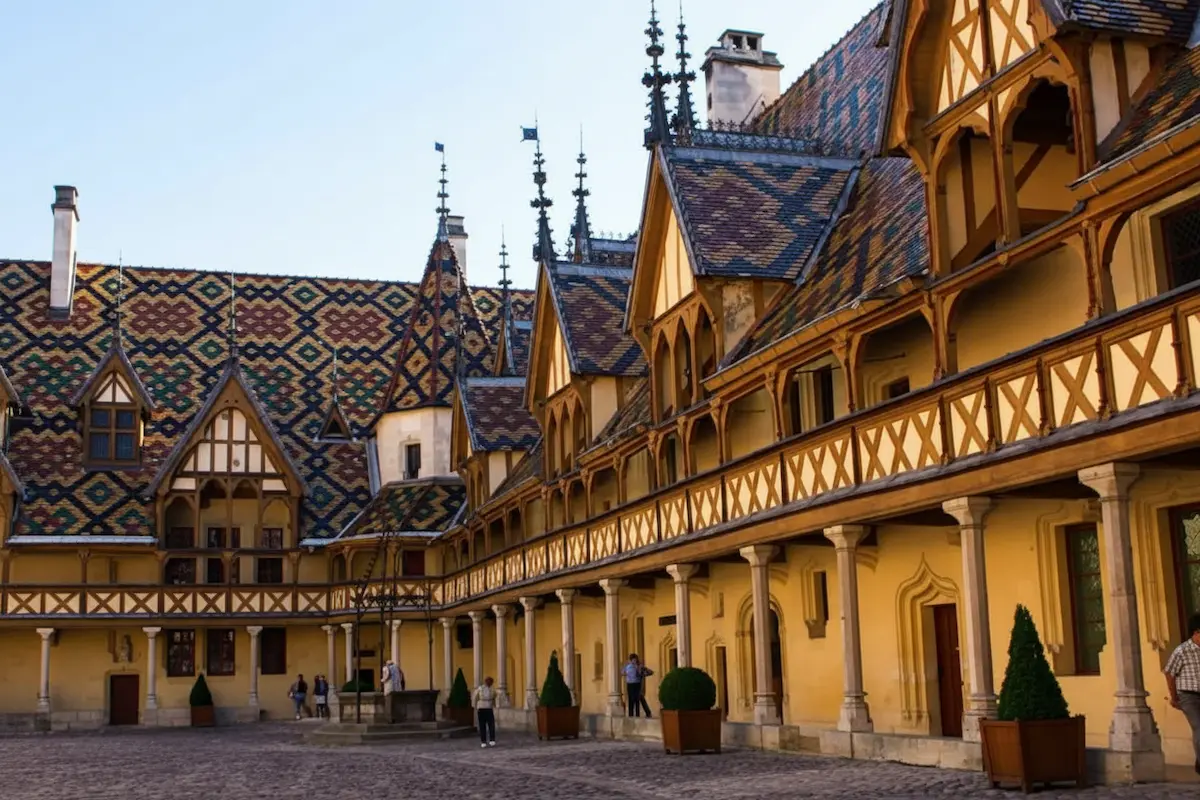
Day 3: Beaune: TER Dijon–Beaune, visit on foot (Hospices, ramparts, Saturday market), return to Dijon late afternoon.
Frequently asked questions
Can you visit the Route des Grands Crus without a car?
How much does the Mobigo bus cost in Côte-d'Or?
Can you really visit the Route des Grands Crus without a car?
Do Mobigo buses run on Sundays?
How much does a car-free stay cost compared to one with a car?
Another question?
Write to usSources
- SNCF Connect: Paris : Dijon and Dijon : Beaune timetables
- Bourgogne-Franche-Comté Region: Mobigo network
- Dijon Métropole: Divia bus and tram network
- France Vélo Tourisme: Voie des Vignes by bike
- Côte-d'Or département: Cycle routes and greenways
- Beaune Tourisme: Bike hire in Beaune
- Wikipedia: Dijon-Ville station
- Dijon Actualités: New Divia fares from 1 September 2026
- Divia: Vélodi self-service bike fares