
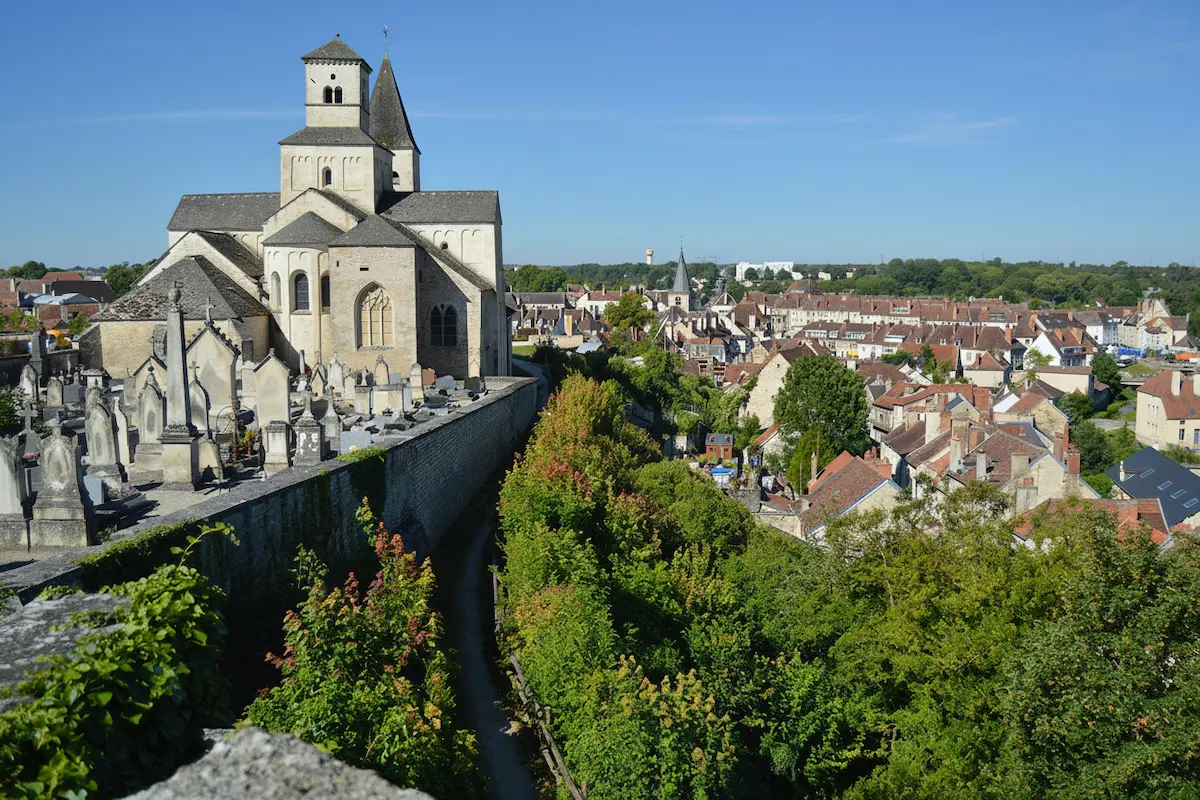


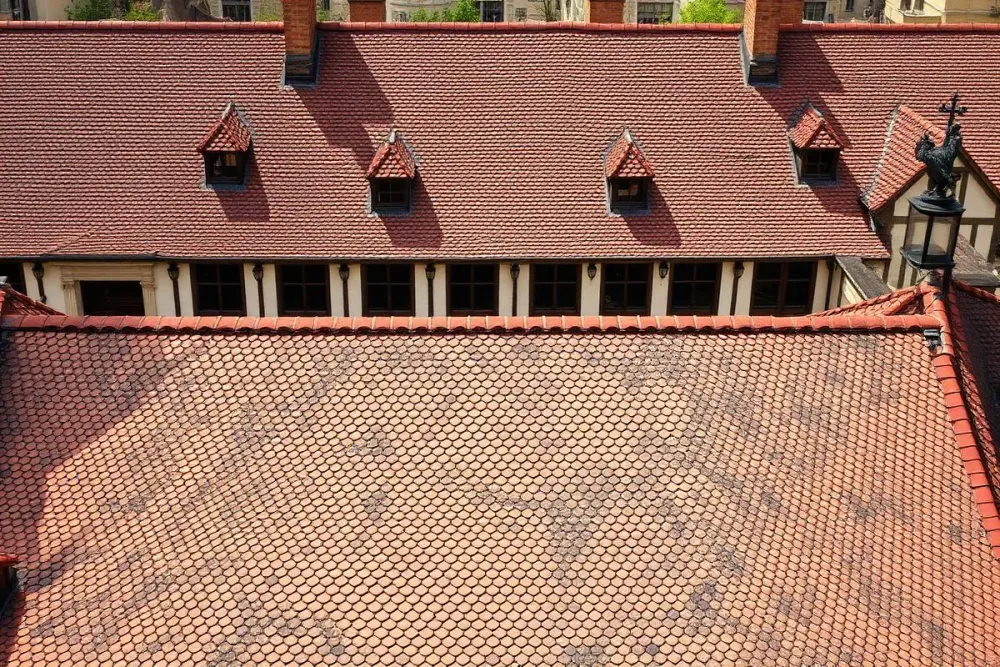
In short: the Côte-d’Or is a romantic destination par excellence: townhouses, starred tables, candlelit vaulted cellars, perched villages and hot-air ballooning at sunrise. This 3-day itinerary is designed for couples, with stage-by-stage budgets and an indicative budget of €650 to €1,600 for two, excluding train travel.
From the Hospices de Beaune to a balloon flight, from candlelit dinners to hand-in-hand walks through the vines: Burgundy has everything to seduce. Here is the itinerary.
Day 1: Dijon for two
Arrival by TGV (Paris–Dijon, 1 h 35). Settle into a boutique hotel in the historic centre.
Afternoon
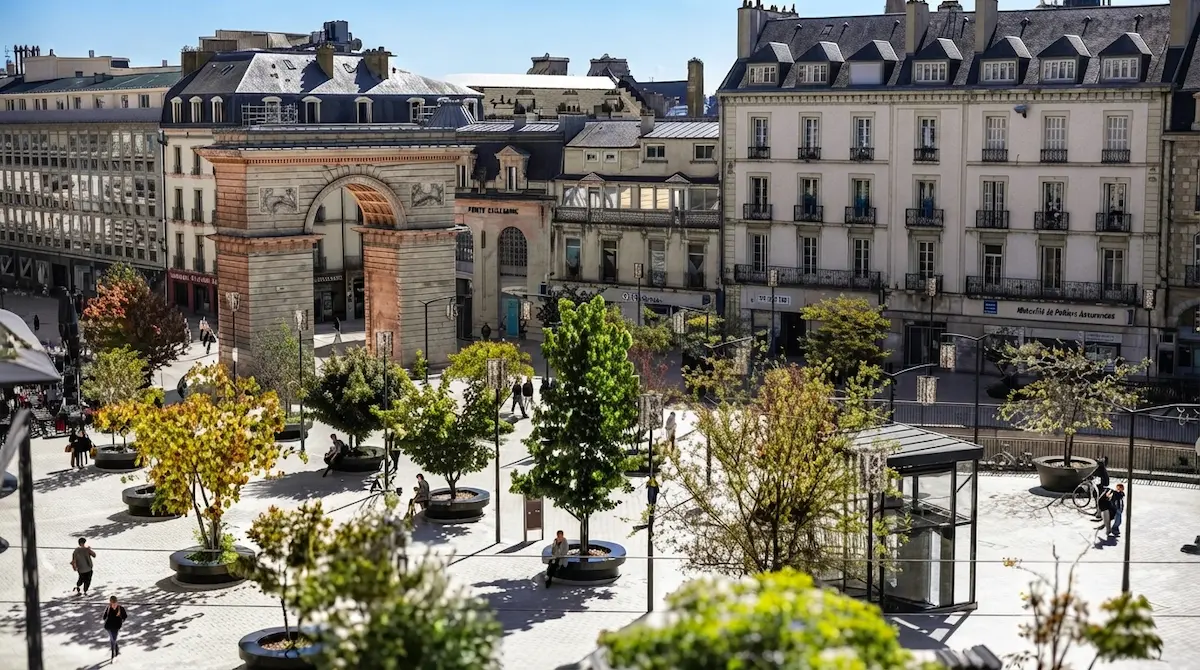
Chouette trail for two, without rushing. Stroll along Rue des Forges, Place de la Libération, Notre-Dame church. Patisserie pause in a tea room (pain d’épices, nonnette).
Evening
dinner at a Dijon gastronomic table. Tasting menu €90–120 per person, with wine pairing.
Overnight: centre boutique hotel, €120–200.
Day 2: the vines and Beaune
Morning
hot-air balloon at sunrise over the vines (about €275/person, 1h flight for 2h30 on site, book ahead). Ground alternative: bike ride on the Voie des Vignes (hire €15–25).
Lunch: Beaune table, set menu €25–35, terrace in fine weather.
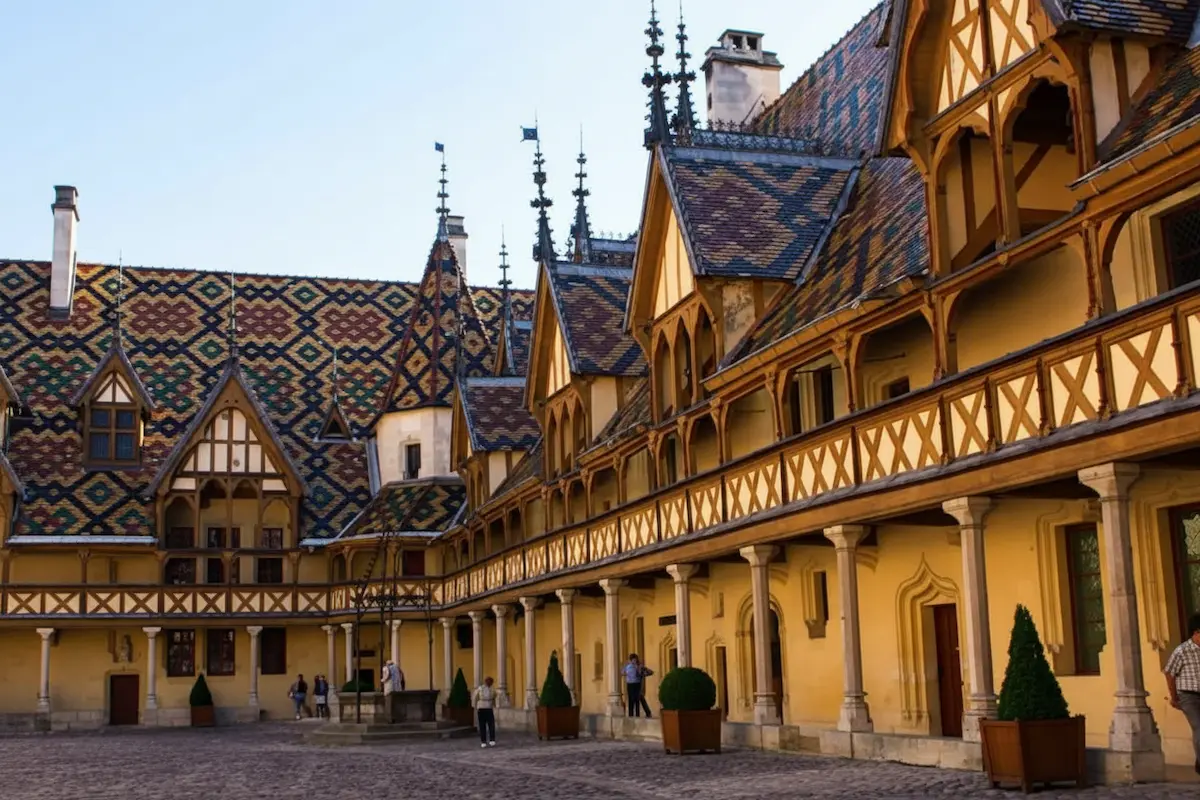
Afternoon: visit to the Hôtel-Dieu of the Hospices de Beaune, a flamboyant Gothic masterpiece of the 15th century (allow about 1 hour for the visit; rates and online ticketing on the official site). Then a private tasting at a domaine in Pommard or Meursault, booked ahead.
Evening: candlelit dinner in a charming Beaune restaurant. Menu €45–75.
Overnight: charming hotel in Beaune, €150–250.
Day 3: perched villages and return
Morning
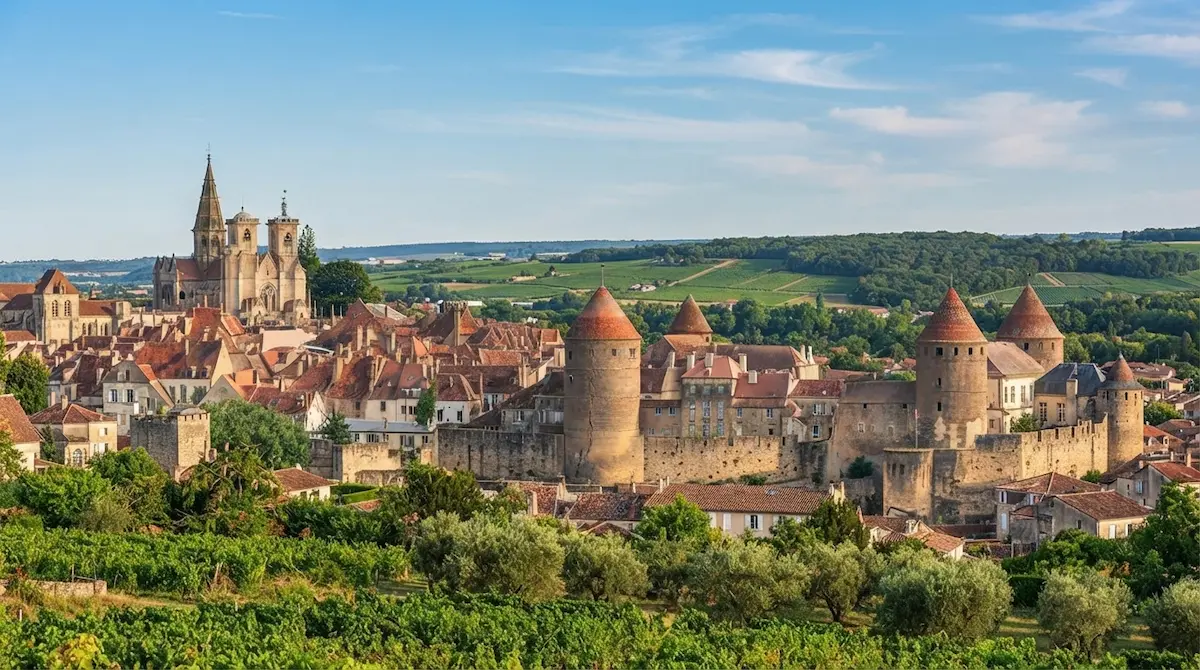
escape to Flavigny-sur-Ozerain (45 min from Beaune), listed among the Plus Beaux Villages de France. Perched village, flowered lanes, abbey, anis factory. Buy a box of anis sweets to prolong the memory.
Lunch: village inn, menu €20–30.
Return: TGV from Beaune or Dijon, arrive Paris late afternoon.
Choosing an address that sets the tone
The word “romantic” covers very different stays. In Dijon, a townhouse hotel in the centre lets you do everything on foot and return after dinner without arranging transport. Around Beaune, a room in a former wine domaine offers more silence, garden and hillside views, but a car or taxi quickly becomes necessary in the evening. Decide first whether you want to live in town, in the vines or in a village.
Dijon, Beaune or a wine village?
Dijon suits couples arriving by train and drawn to museums, shops and urban tables. Beaune is the best compromise for the Hospices, cellars and the Route des Grands Crus. Pommard, Meursault or Savigny-lès-Beaune add calm and immediate walks in the vines; in return, shops are fewer and restaurants close some evenings. Flavigny or Semur are the choice if medieval lanes matter more than proximity to domaines.
Prices for a charming room vary a lot with the Hospices sales, spring weekends and harvest: a fine address can cost twice as much on Saturday as midweek. Check what is included: parking, breakfast, spa access or bike hire make a difference over a two-night budget.
Ask what really matters
Before booking, ask whether the restaurant is walkable, whether a taxi can be arranged after dinner and whether parking is secure. In city-centre hotels, check room size and air conditioning in hot periods. A “château” can be elegant but far from everything: perfect for a pause night, less so for a packed programme.
Moments for two that do not feel like imposed activities
The Côte-d’Or suits simple sequences better than stacking experiences. Plan one serious tasting, one walk and one good meal per day. Private visits often book one to three weeks ahead; allow around €20 to €45 per person for a guided tasting, more when it includes cellars or rare wines.
A walk through the vines
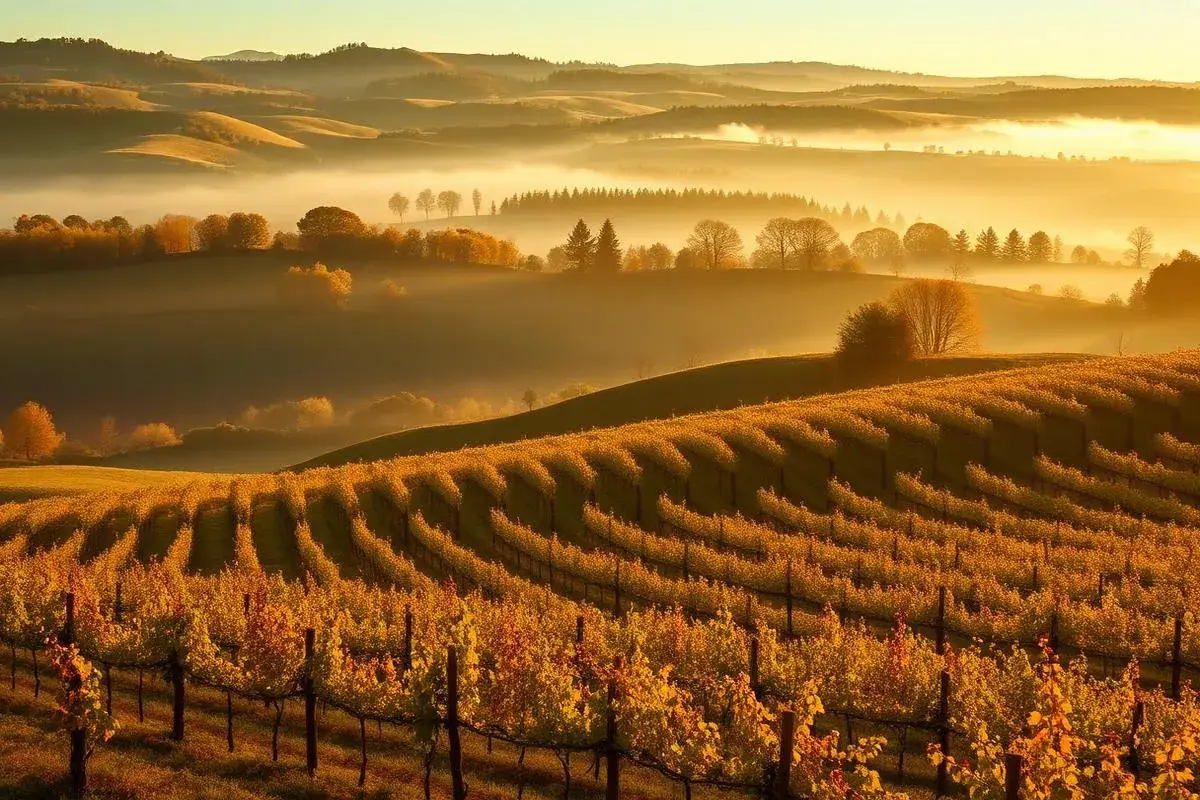
Between Beaune and Pommard, or around Meursault, public paths let you walk thirty minutes to an hour without special kit. Set out before dinner, when light falls on the dry-stone walls and cabottes. Stay on the paths: the rows are working parcels, and harvest or treatments can make a crossing unsuitable. Clean but comfortable shoes are enough; heels can wait for the restaurant.
For a more active version, hire two bikes in Beaune, ideally electric if you want to leave the greenway and reach the villages. A day’s hire commonly costs €15 to €25. Book ahead for a Saturday in May or September, and pack a light jacket: the wind rarely drops at the same pace as the sun.
Hot-air balloon: plan a backup
A sunrise flight is memorable, but it depends entirely on wind and visibility. Confirmation often comes the evening before or very early in the morning. Schedule it for the first morning only if you accept the rest of the day shifting; better still, place it on Saturday and keep Sunday as a fallback. If the flight is cancelled, it is postponed without fee: keep 2 to 3 days of slack in your stay.
Booking meals with good sense
A gastronomic dinner in Dijon can absorb a large share of the budget: tasting menu and wine pairing easily exceed €120 per person. In Beaune, a simpler dinner at a good centre table often sits between €45 and €75 excluding drinks. Alternating the two leaves room for a slow lunch at an inn or a picnic bought at the Halles.
Lunch as a stage, not an interlude
In Dijon, the Halles are practical in the morning, especially on market days. In Beaune, book if you want a terrace on Saturday. In villages, call before you arrive: service hours are shorter than in town and some restaurants close two days a week. Also warn if you have a tasting planned just after; Burgundy rewards unhurried meals, but your domaine appointment will not necessarily wait.
Drinking without complicating the return
A shared bottle at dinner and an afternoon tasting need organisation. If you are driving, use the spittoon at the domaine and leave journeys to one of you, or book a taxi. The Dijon–Beaune TER is a comfortable option for car-free days, but it does not serve the villages. A driver for a few hours costs more than a hire car, and can be the best purchase of the weekend if you want to taste properly.
The small detail that avoids disappointment
Mondays and Tuesdays are quiet, but several tables, shops and domaines cut their hours. Harvest brings terrific energy, along with cancelled visits and noisier villages. May–June and September–October remain the most flexible periods. In winter, the Hospices and historic centres have fine light, but choose a hotel with a restaurant or plan evening travel.
Finally, keep free time on the last day. Flavigny deserves an hour without a checklist, for the abbey, the narrow passages and a box of anis bought on the way out. That slowness, more than the number of bookings, gives this weekend its romantic character.
Frequently asked questions
Where should you stay for a weekend for two?
Which season is best?
What is the best romantic hotel in the Côte-d'Or?
Should you book the hot-air balloon in advance?
Another question?
Write to usSources