
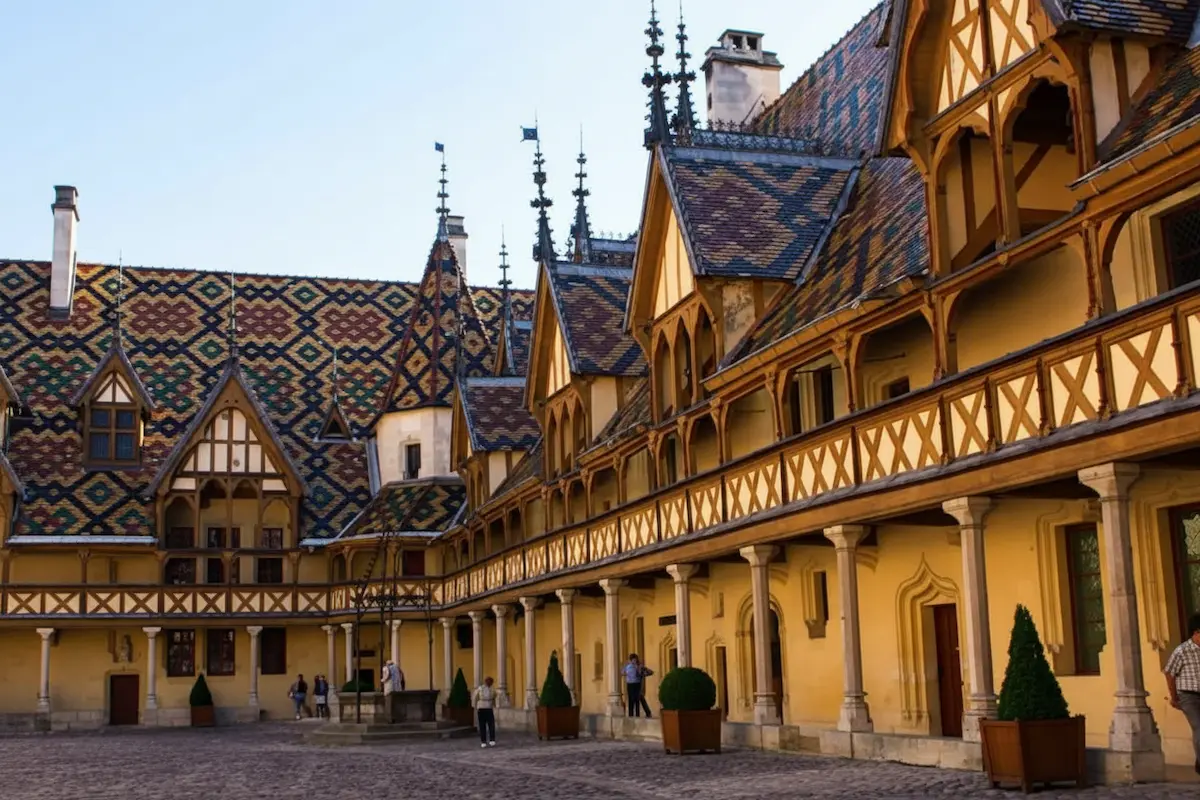
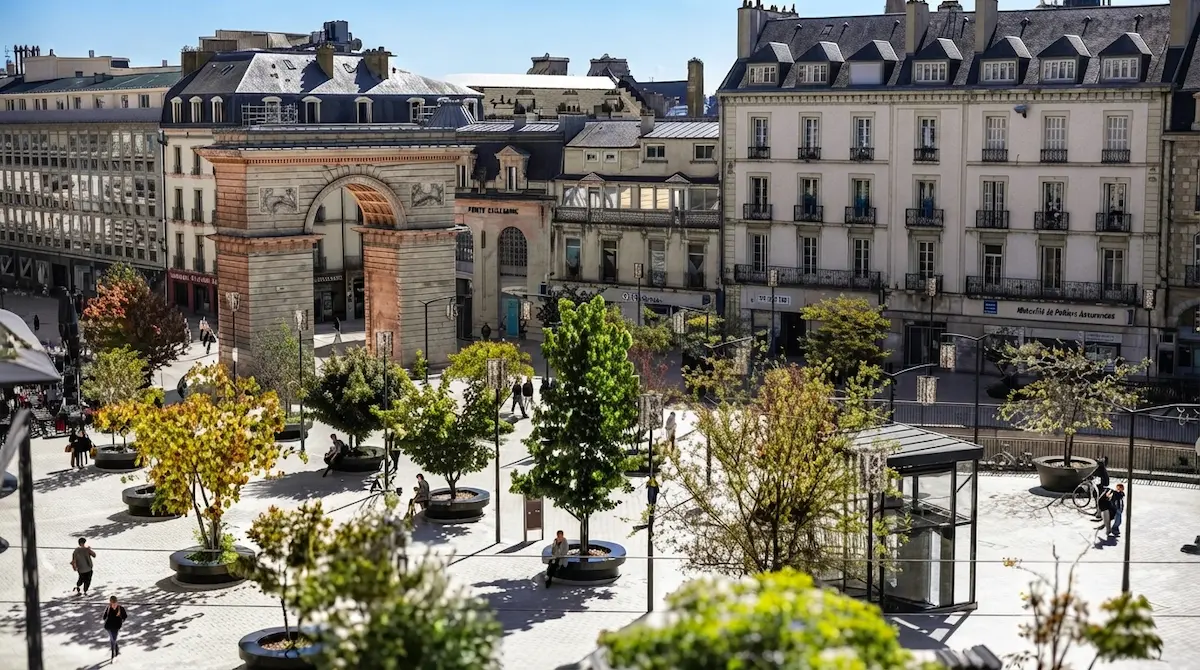
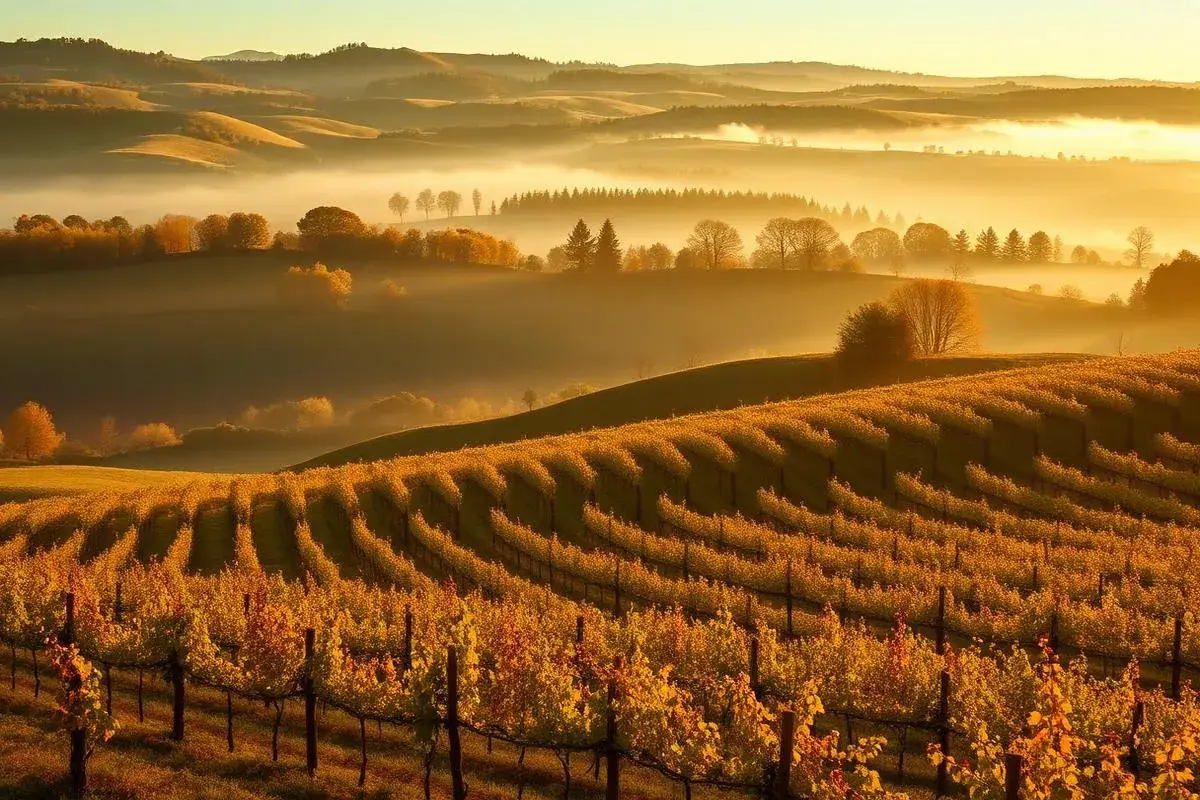
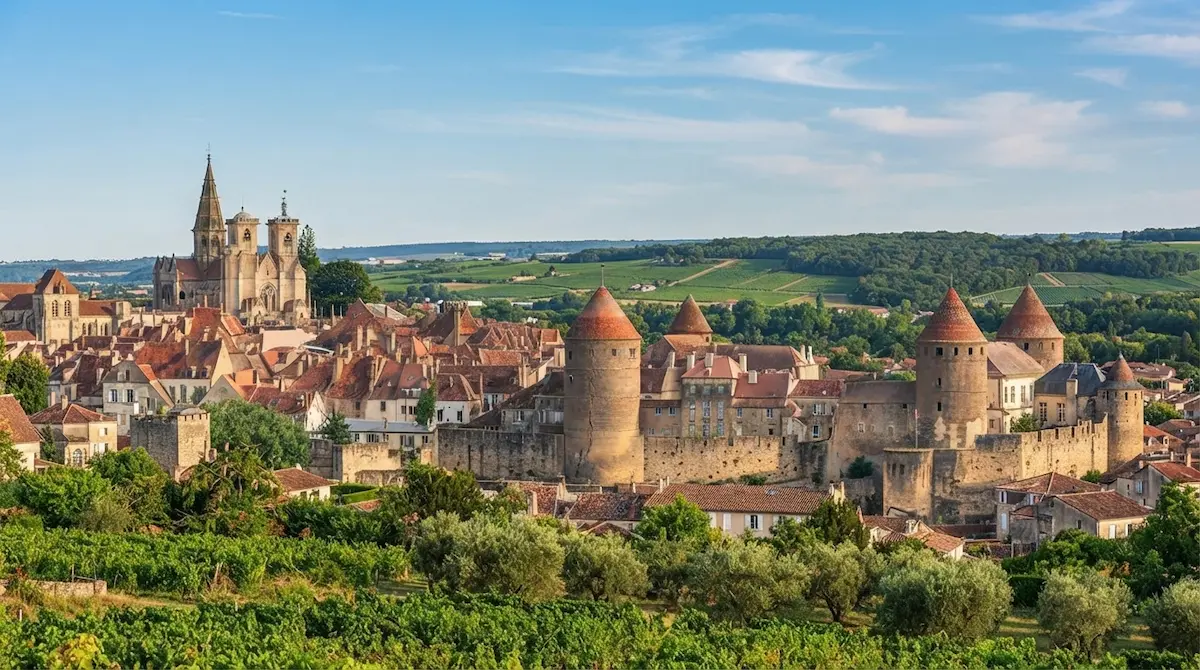
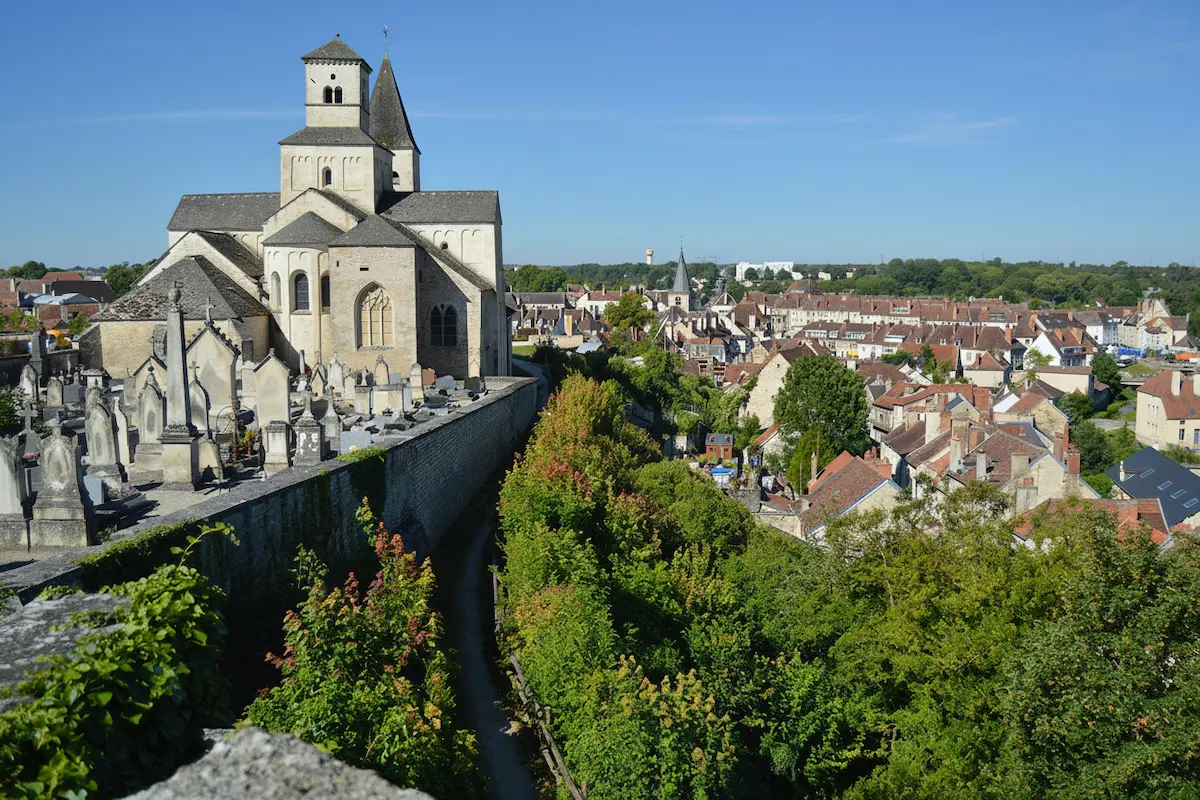


Dijon Métropole is not just an administrative name on a prefectural map. It is the territory that structures an entire trip to Côte d’Or: the core city, its 22 neighbouring communes, the gateway to the vineyard, and the starting point for nearly every tourist itinerary in the region. Understanding exactly what “Dijon Métropole” covers avoids a common trap: assuming the metropolis is limited to the historic centre, when it also includes wine villages such as Marsannay-la-Côte, right at the entrance of the Route des Grands Crus.
What is Dijon Métropole?
Dijon Métropole is the intercommunal body (EPCI) that has federated 23 communes around Dijon since April 2017, replacing the former Communauté urbaine du Grand Dijon. The territory counts 261,178 inhabitants according to 2023 INSEE data, over an area of 240 km², a density of roughly 1,088 inhabitants per km². This metropolitan area represents nearly half of the Côte-d’Or department’s population.
Geographically, the metropolis sits at a crossroads: the Burgundy vineyard slope (from Dijon towards Beaune) to the west, the Saône plain to the east, and the Langres plateau to the north. Two rivers, the Ouche and the Suzon, along with the Burgundy canal, run through the territory, an asset for anyone who likes combining city visits with walking or cycling routes.
The 23 member communes
Beyond Dijon itself, the metropolis groups: Ahuy, Bressey-sur-Tille, Bretenière, Chenôve, Chevigny-Saint-Sauveur, Corcelles-les-Monts, Daix, Fénay, Flavignerot, Fontaine-lès-Dijon, Hauteville-lès-Dijon, Longvic, Magny-sur-Tille, Marsannay-la-Côte, Neuilly-Crimolois, Ouges, Perrigny-lès-Dijon, Plombières-lès-Dijon, Quetigny, Saint-Apollinaire, Sennecey-lès-Dijon and Talant.
Two communes deserve particular attention for a tourist stay: Marsannay-la-Côte, the first village on the Route des Grands Crus coming from Dijon, and Talant, which offers a wide view over the metropolitan area from its hilltop. The other communes are mostly residential or industrial and have little place in a sightseeing itinerary, unless you have a specific interest (hiking, local heritage). Knowing this in advance saves time: a search for “things to do near Dijon” will often surface all 23 names indiscriminately, when in practice only two or three are worth a detour for a first visit.
UNESCO World Heritage at the heart of the metropolis
Dijon Métropole carries a double UNESCO recognition, rare for a metropolitan area of this size. On one hand, the gastronomic meal of the French, listed as intangible cultural heritage. On the other, and more concrete for a visitor, the Climats of the Burgundy vineyard, inscribed as World Heritage on 4 July 2015. This inscription is not limited to the vines: Dijon’s historic centre is an integral part of it, as the historic seat of the political and economic power that organised the climats system since the Middle Ages. The Palais des Ducs, in particular, is identified as the built heritage that embodies this link between the city and the vineyard.
Concretely, this means a visit to Dijon’s historic centre is not a mere detour before “heading down” to the vineyard: it belongs to the same heritage story as the rows of vines on the Côte de Nuits. The UNESCO listing covers 1,247 vineyard plots, known as climats, and 142 wine-growing communes, with Dijon as the northern anchor point and Beaune as the second hub, the two cities having historically shared leadership of the listing process.
For a visitor, this dual recognition has a direct practical consequence: there is no need to choose between “visiting a city” and “discovering a vineyard.” The logical route is to read one through the other, starting with the historic centre before heading down to the first climats around Marsannay-la-Côte.
Gastronomy and wine: Dijon Métropole’s identity
Cité internationale de la gastronomie et du vin
Built on the site of the former general hospital, the Cité internationale de la gastronomie et du vin covers 6.5 hectares at the gates of the historic centre, about one kilometre from the start of the Route des Grands Crus. It houses a cooking school (Ferrandi Paris), the Burgundy Wine School, a gastronomic village with restaurants and food shops, a gourmet bookshop, and a cinema multiplex. It is the facility that best embodies, physically, the city’s dual UNESCO heritage: gastronomy and wine brought together on a single site rather than scattered across museums and cellars.
For anyone planning a stay, the Cité works best as a complement to a historic-centre visit rather than a replacement: allow half a day if you want to include a tasting or a workshop, less for a simple visit of the exhibitions. Because it sits on the direct walking path between the historic centre and the vineyard’s edge, it also makes a natural pause between a morning spent on the Parcours de la Chouette and an afternoon heading towards Marsannay-la-Côte.
The Route des Grands Crus
The Route des Grands Crus links Dijon to Santenay over roughly 60 kilometres, running through names familiar to wine lovers well beyond France: Gevrey-Chambertin, Vosne-Romanée, Nuits-Saint-Georges, Meursault, Puligny-Montrachet. The official starting point is Marsannay-la-Côte, at the southern edge of the metropolis, making it a natural extension of a day spent in Dijon rather than a separate excursion.
Visiting Dijon: highlights and itineraries
The historic centre and the Parcours de la Chouette
Dijon’s protected historic sector is best explored on foot, and the simplest way to find your way is the Parcours de la Chouette (Owl Trail): a 22-stage route marked by bronze arrows set into the paving, covering about 3 kilometres. Allow 1.5 to 2 hours for the full set of loops (the main loop plus the three extensions added since 2011, which notably cover the Jean-Jacques Rousseau and Zola districts). The recommended start is Jardin Darcy, but since the route is a loop, you can join it from any point in the centre. The guide booklet is only available in paper form, from the tourist office at 11 rue des Forges; the matching mobile app lets you follow the route without the printed guide.
Seven sites structure a visit to the historic centre from a wine-and-gastronomy angle: the Cellier de Clairvaux (a 13th-century monastic cellar), Église Saint-Philibert, the Palais des Ducs, Hôtel de Vogüé, the heritage library, Place François-Rude with its Bareuzai statue, and the Palais de Justice, which once held the historic regulations governing wine.
Dijon in 2 days
A two-day format lets you cover the historic centre and the Parcours de la Chouette on day one, then the Cité internationale de la gastronomie et du vin and a foray onto the Route des Grands Crus (Marsannay-la-Côte, or even Gevrey-Chambertin) on day two. This is the pace best suited to a discovery weekend, without racing against the clock.
Getting there and around
By train from Paris and Lyon
Dijon benefits from a rail-hub status that seriously simplifies planning a stay. The fastest direct TGV links Paris Gare de Lyon to Dijon Ville in 1h35, with around fifteen daily connections, most of them direct. This proximity to the capital partly explains why Dijon Métropole works equally well as a weekend getaway or as a stop on a longer Burgundy trip.
Around Dijon: nearby communes and getaways
Beyond the city centre, the metropolis offers several options to extend a stay without leaving the intercommunal territory.
Marsannay-la-Côte
The first village on the Route des Grands Crus coming from Dijon, Marsannay-la-Côte marks the southern edge of the metropolis and the official start of the vineyard structured into climats. It is the most logical point for a first approach to Burgundy wine without renting a car for the whole day: about twenty minutes from central Dijon by public transport or car.
Talant
Perched on a hilltop west of Dijon, Talant offers a wide view over the metropolitan area and, on a clear day, the first foothills of the vineyard. It is a short stop rather than a destination in itself, worth considering at the end of the day to take a step back before heading off.
The Burgundy canal
The Burgundy canal runs through the metropolitan territory and, more broadly, connects the Saône to the Yonne. Its banks lend themselves to walking or cycling for anyone seeking a slower pace than city sightseeing, without leaving the metropolis’s boundaries.
These communes and routes will get dedicated pages as this guide grows. In the meantime, the page on the city of Dijon remains the reference for planning a first visit to the city centre, and the itineraries to Beaune naturally extend a stay on the wine side.
See also
- Visiting Dijon: what to do, what to see and where to stay
- All destinations
- Dijon-Beaune express
- When to visit Côte d’Or?
Frequently asked questions
Is Dijon Métropole the same as the city of Dijon?
How much time should I plan for Dijon Métropole?
Is Dijon easy to reach from Paris?
Another question?
Write to usSources
- Dijon Métropole - Territory overview
- Dijon Métropole - The 23 communes
- INSEE - Territory comparator, Dijon Métropole
- Vins de Bourgogne - The Climats inscribed as World Heritage
- Dijon Métropole - Tourism
- Trainline - Paris Gare de Lyon → Dijon Ville
- Cité internationale de la gastronomie et du vin
- Bourgogne Tourisme - Parcours de la Chouette